I have been thinking about the shroud as a kind of painting: something that covers, protects, preserves, and conceals at the same time. A surface that tells you that something—or someone—is there, without necessarily allowing you to see it. I came to Paris from Los Angeles via Rome, carrying with me an Italian inheritance that is perhaps less a fixed identity than a collection of gestures, images, habits, and contradictions. I am interested in playing with this space between the Italian and the American: between the sacred and the commercial, the theatrical and the ordinary, the monumental and the disposable. Shrouds is perhaps a little bit sacro and a little bit supermarket. Passage Sainte-Anne is an unusual place to show paintings in. It is neither quite a gallery nor a street. You pass through it. You look without necessarily stopping. Its vitrines already have something of the shop window, the reliquary, the altar, and the display case. I wanted to work with this linearity—to make paintings that could be encountered almost incidentally, like fragments glimpsed while moving through the neighborhood, between the Bibliotheque nationale and Opera comique. I like this proximity between painting and the everyday. In Paris, artists have historically drawn on whatever was available: napkins, menus, scraps of paper, tablecloths. Some of the surfaces in this exhibition begin with ordinary things—garments, flowers, domestic materials, the plastic mesh of a supermarket bag holding lemons. These things are not precious, but they carry the marks of having been handled, touched, worn, consumed, cared for. In the paintings they become something else: traces, skins, remnants, perhaps even relics. The word shroud has a deliberately theatrical and almost fake-religious quality. There is something slightly absurd about introducing a secular altar into a passageway where people are mostly trying to get somewhere. Perhaps this is my version of a drive-through church. Walter Benjamin understood the Parisian passage as a place where commerce, desire, fantasy, and collective dream-life become entangled. Here, the passerby becomes both shopper and believer: someone who pauses before an image, even for only a few seconds. There is also something very Parisian about morbidity. When I arrived, I became increasingly aware of the way death, fashion, ornament, and performance coexist here: the flowers, the garments, the elaborate interiors, the catacombs, the Louvre, the endless staging of bodies. I think of the Capuchin catacombs in Palermo, where clothing and ornaments remain around bodies as traces of social life. What remains when the person is gone? What does an object remember? Morbido means soft in Italian. My white paintings come from another kind of question. We live surrounded by images that are increasingly overexposed, flattened, cleaned up, and made instantly legible for the screen. I wanted the opposite. White, for me, is not emptiness or purity. It is density. It is something that needs to be approached slowly. The surfaces hold previous layers, hesitations, mistakes, and things that I could not quite resolve. I tend to leave marks that have, in some sense, earned the right to stay. White in this sense functions as a portal or an expansion into a different way of viewing, more nuanced. The paintings are therefore not finished in the conventional sense. They retain something of the garment, the textile, the body, the domestic object. Text and textile share a history of weaving: something is made by crossing one thing over another. Painting can work in the same way. It can conceal while leaving a trace. And then there are the flowers. Coming from Los Angeles, where the seasons can feel almost imaginary, I have become fascinated by the particular melancholy of Parisian autumn—the October flower, the flower already beginning to disappear. A flower is both material and aura: something physical that also carries an image of beauty, decay, offering, mourning. Maybe this is why I keep returning to the shroud. It is not simply about death. It is about what remains in the passage between life and death, between presence and disappearance, between seeing and not seeing. A covering is also a surface. A surface can be a secret. So, vediamo cosa combina—we’ll see what happens. And perhaps, as you pass through the passage, you will see something that was not meant to be seen all at once. Mattea Perrotta
Au_Passage, Paris October 2026
Filter: , ,
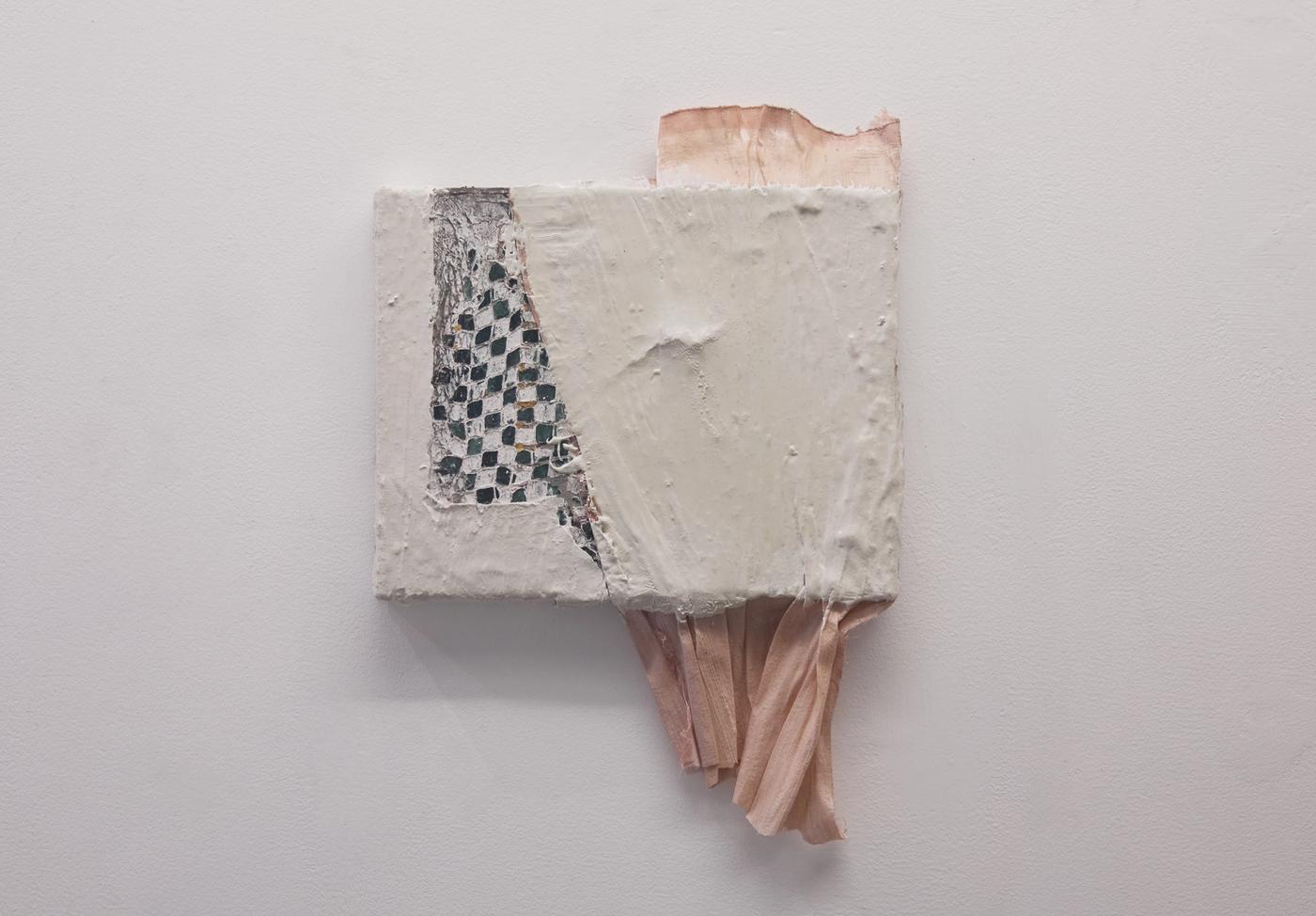
Quasi Niente, 2026, Oil on canvas
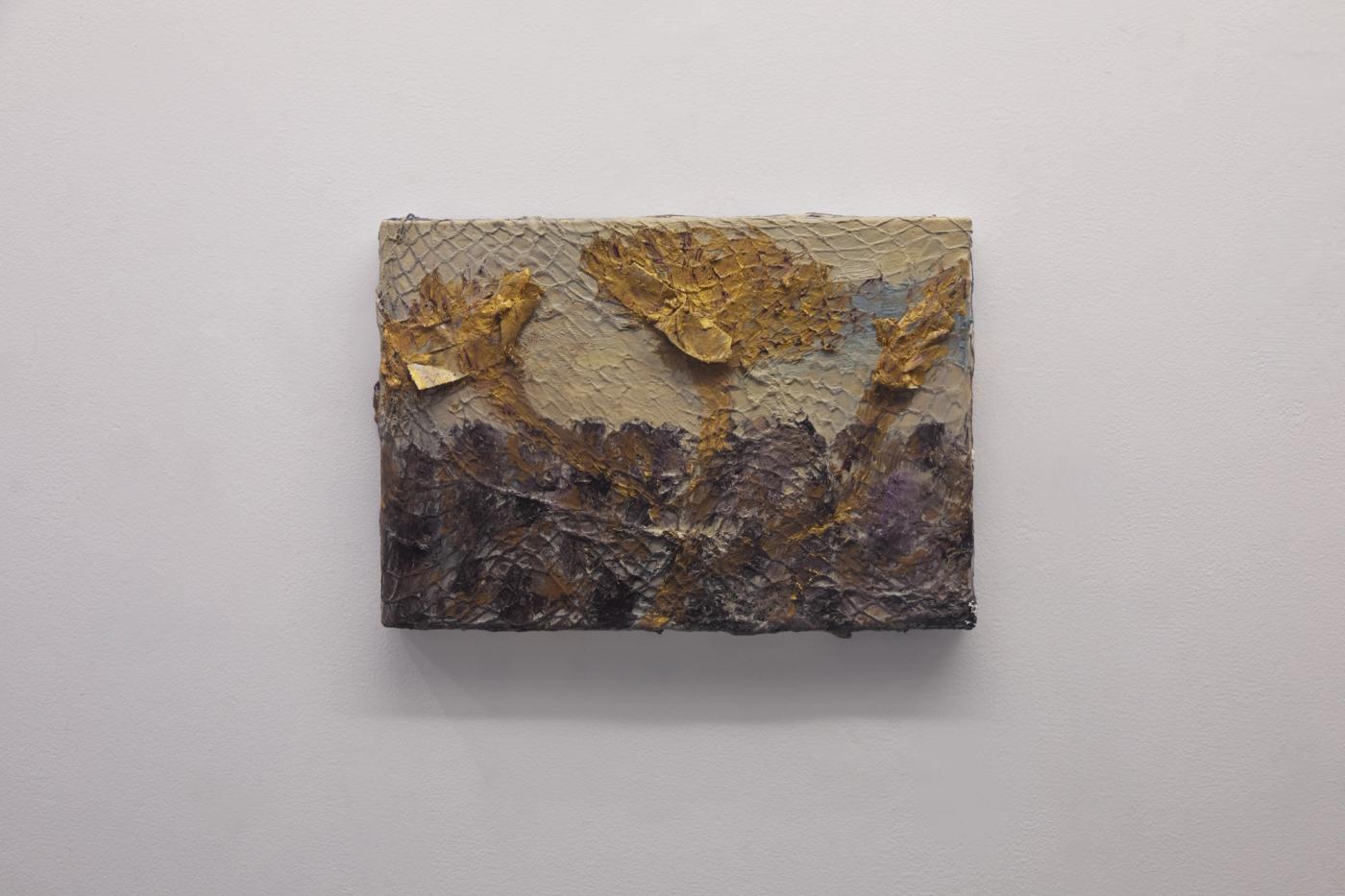
Oro Vecchio, 2026, Oil on canvas
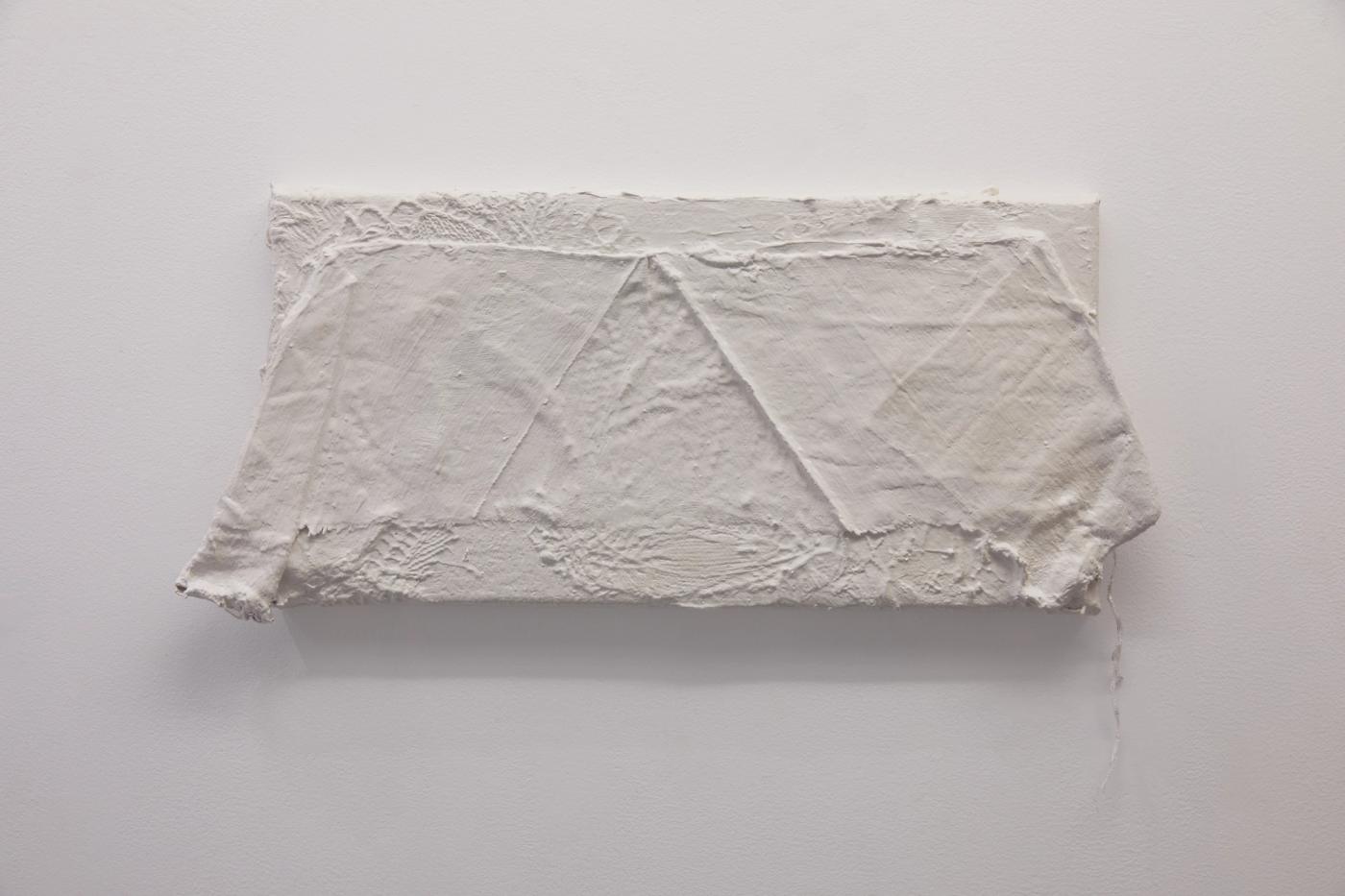
La Piega, 2026, Napkin, plaster, oil on canvas
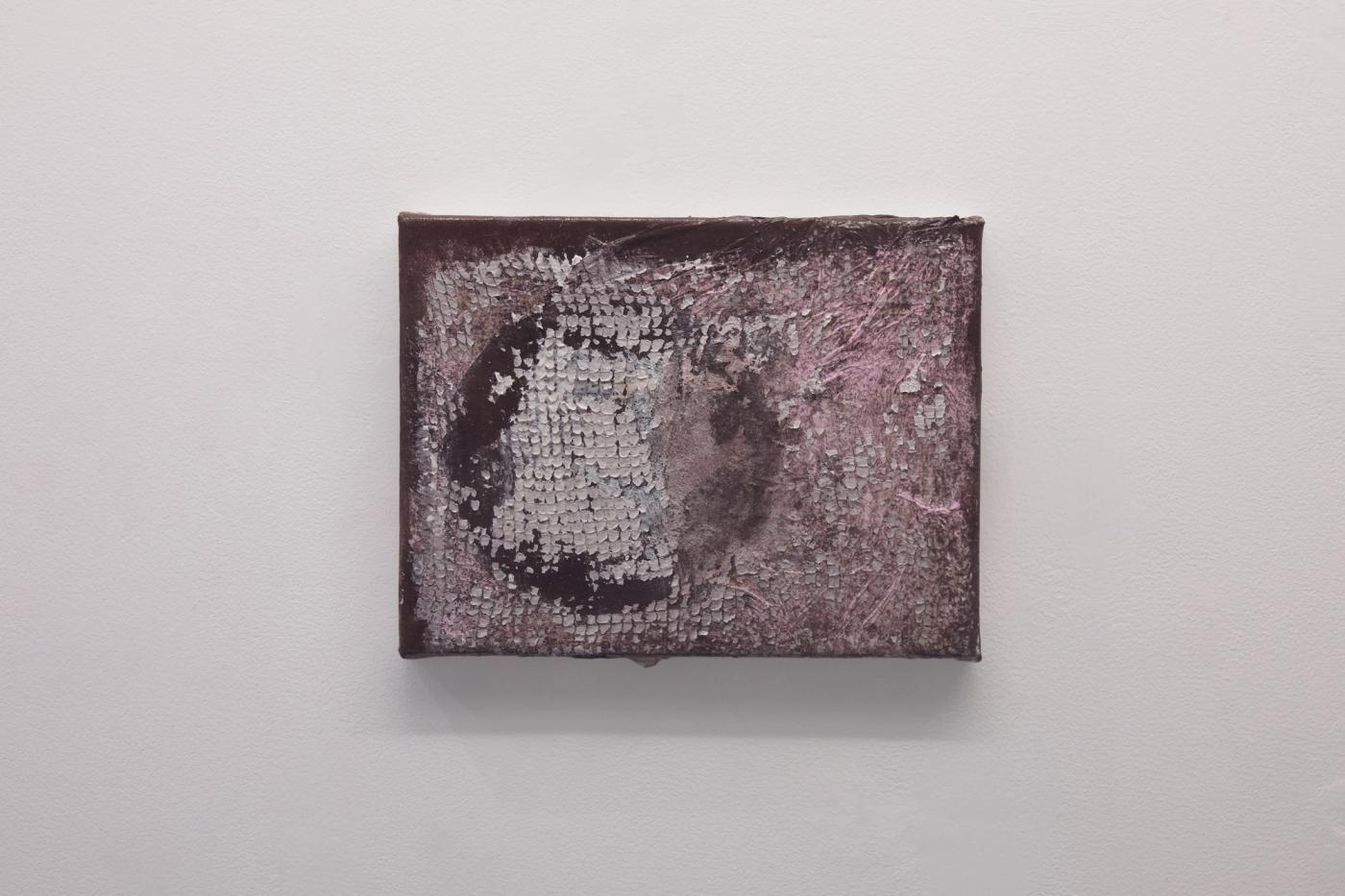
Rosa Antico, 2025, Oil on canvas
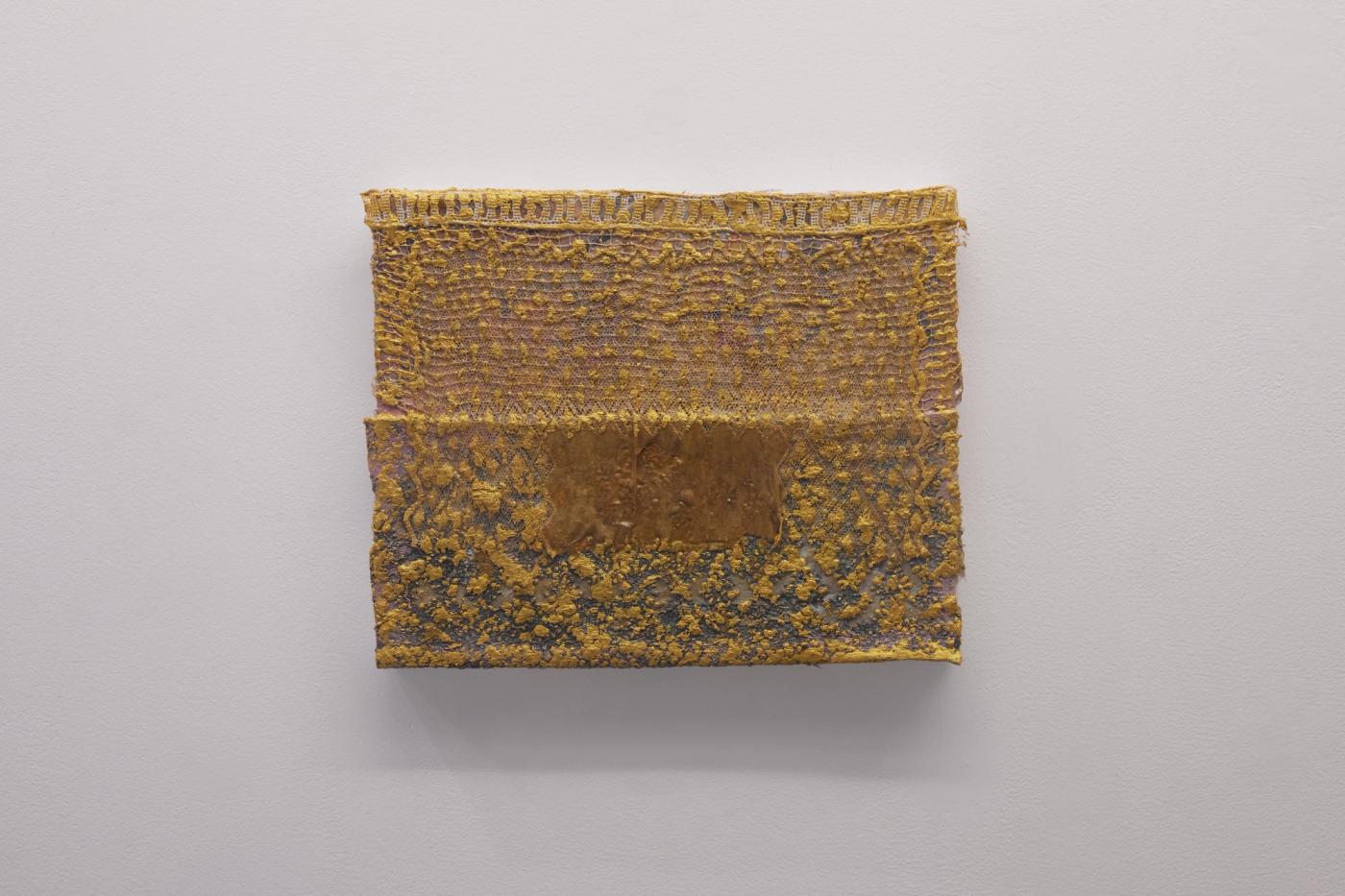
The Wedding Cloth, 2026, Oil on canvas
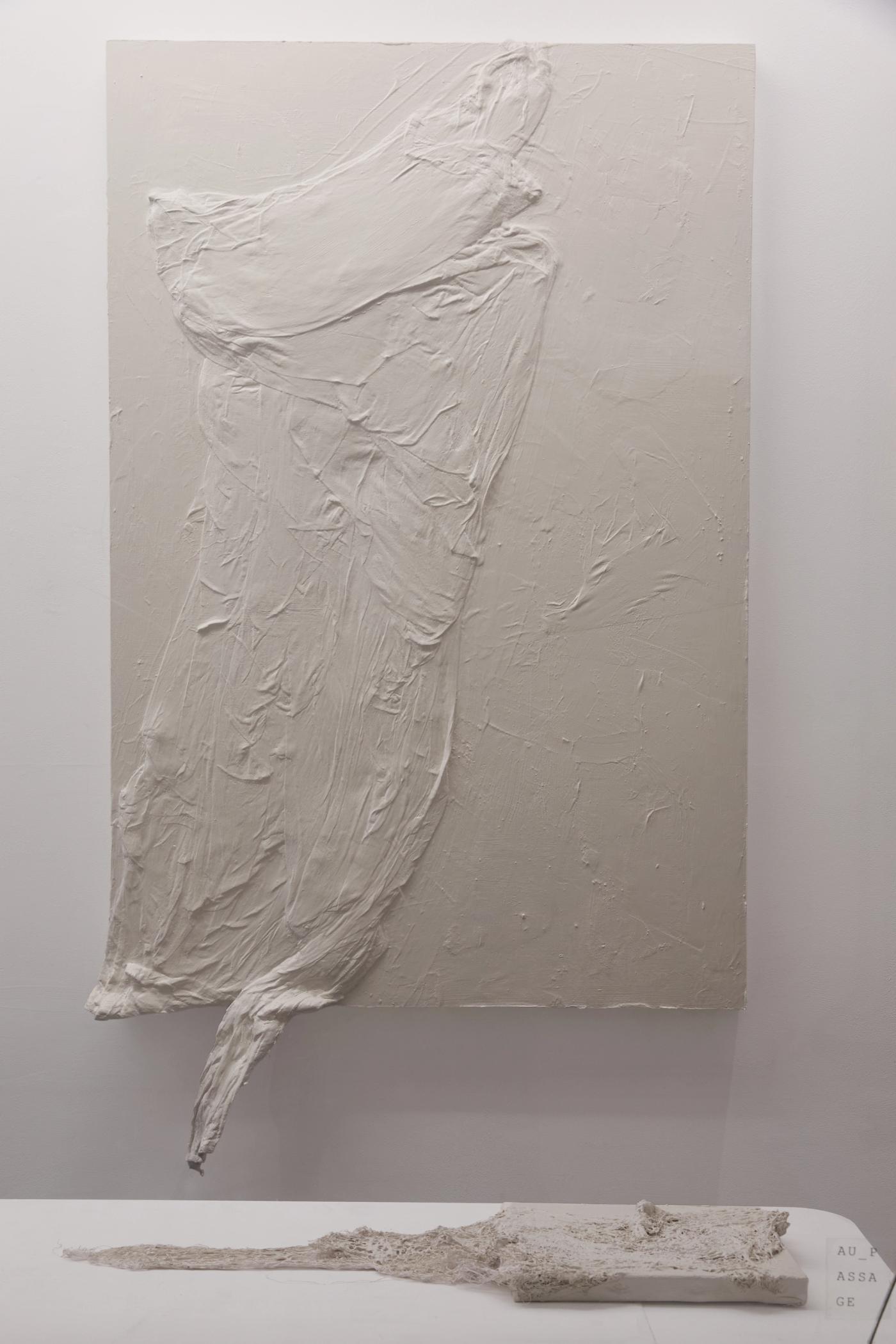
The Burial Dress, 2025, Dress, plaster on panel
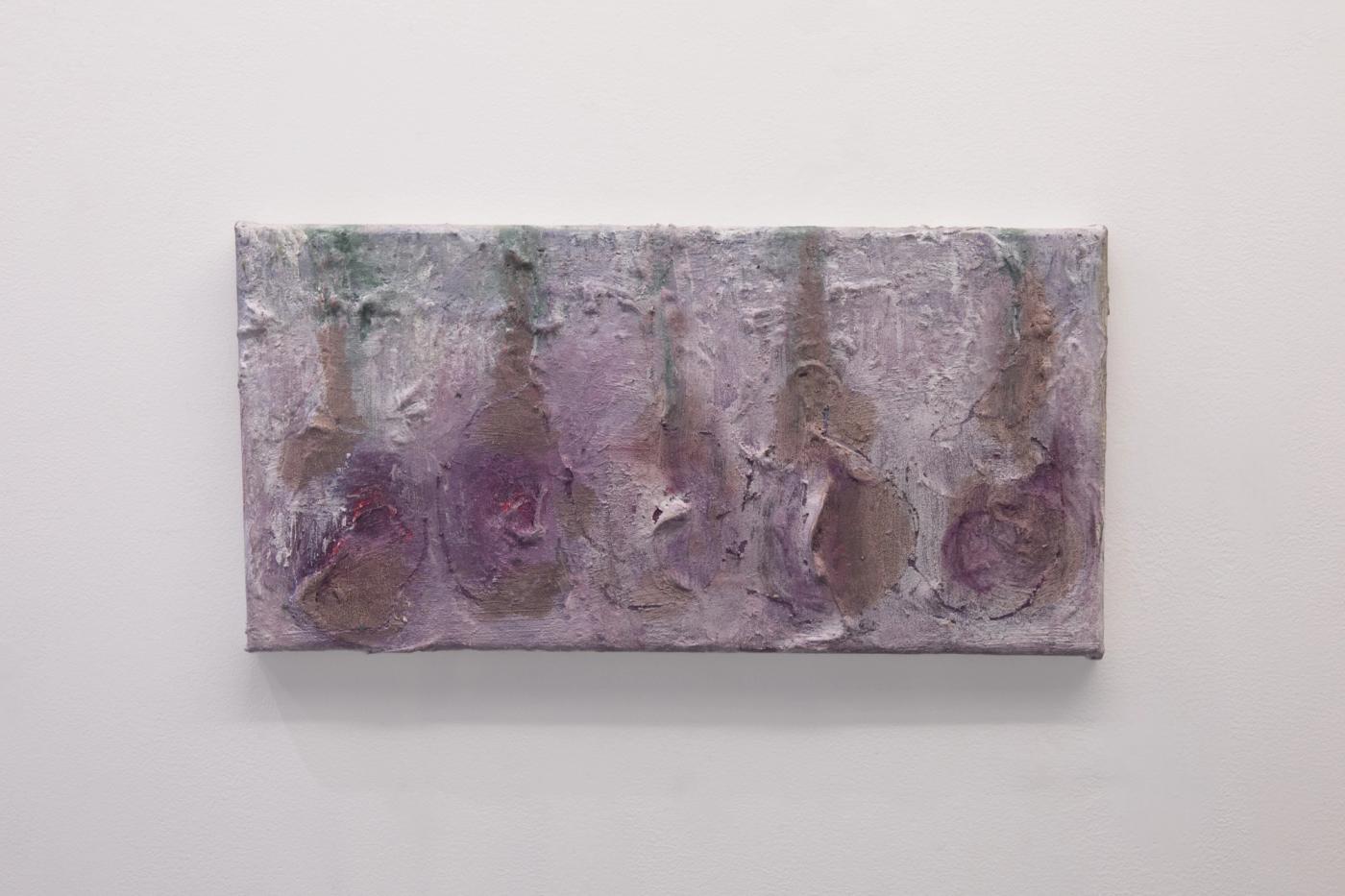
Dried Flowers, 2026, Oil on canvas
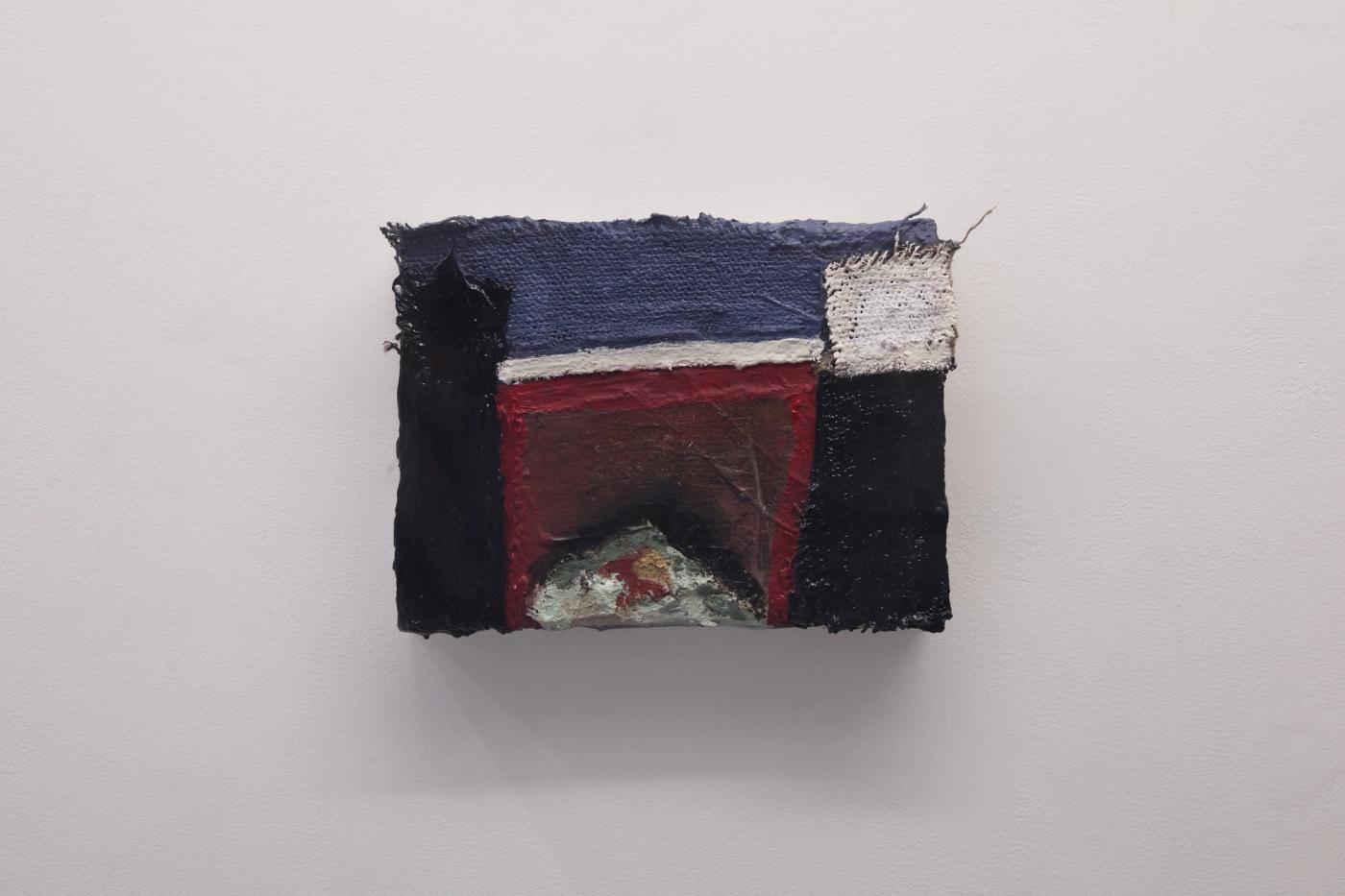
L’Ultima Colazione, 2026, Oil on canvas
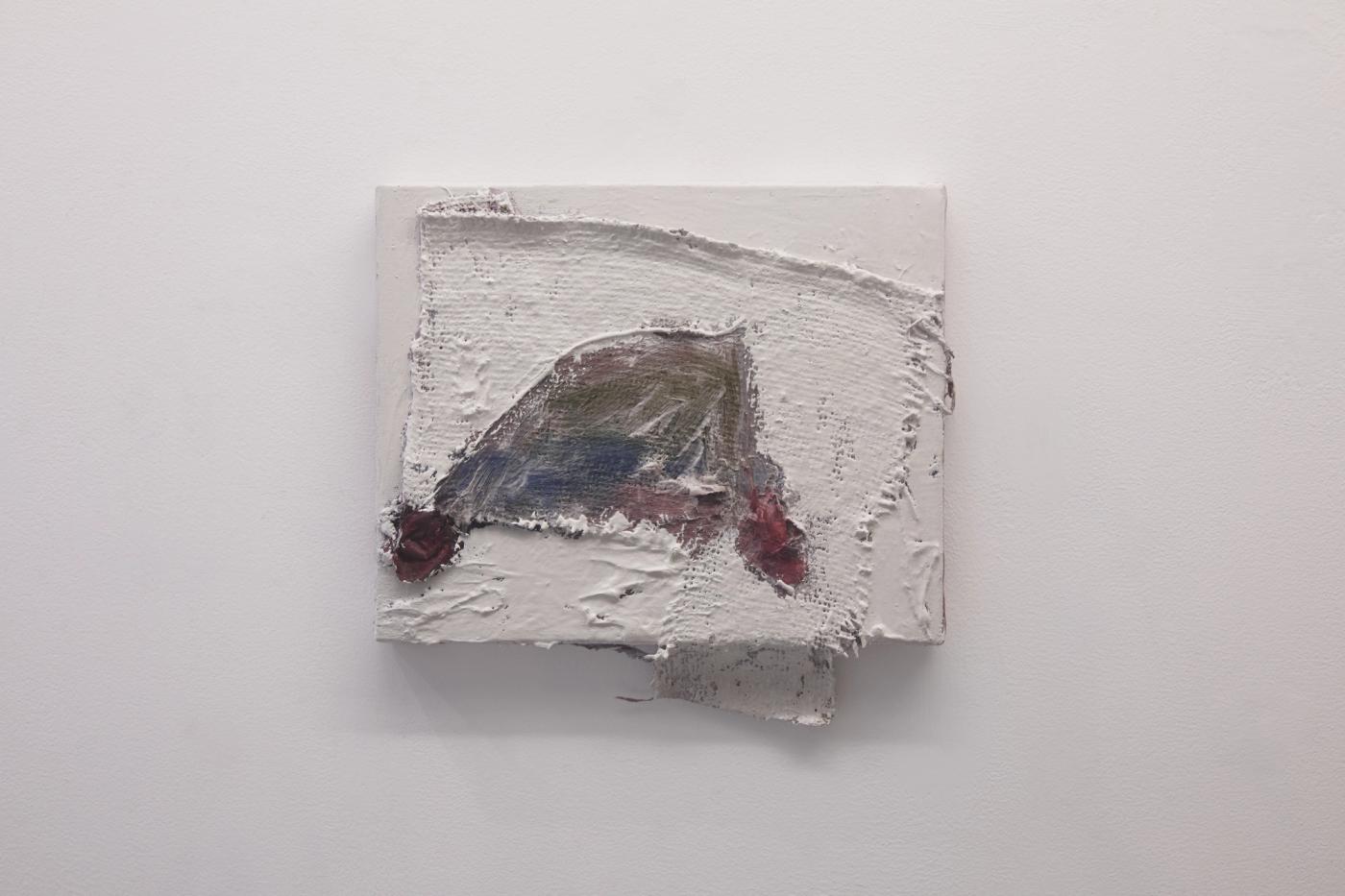
Under the Sheet, 2025, Oil on canvas
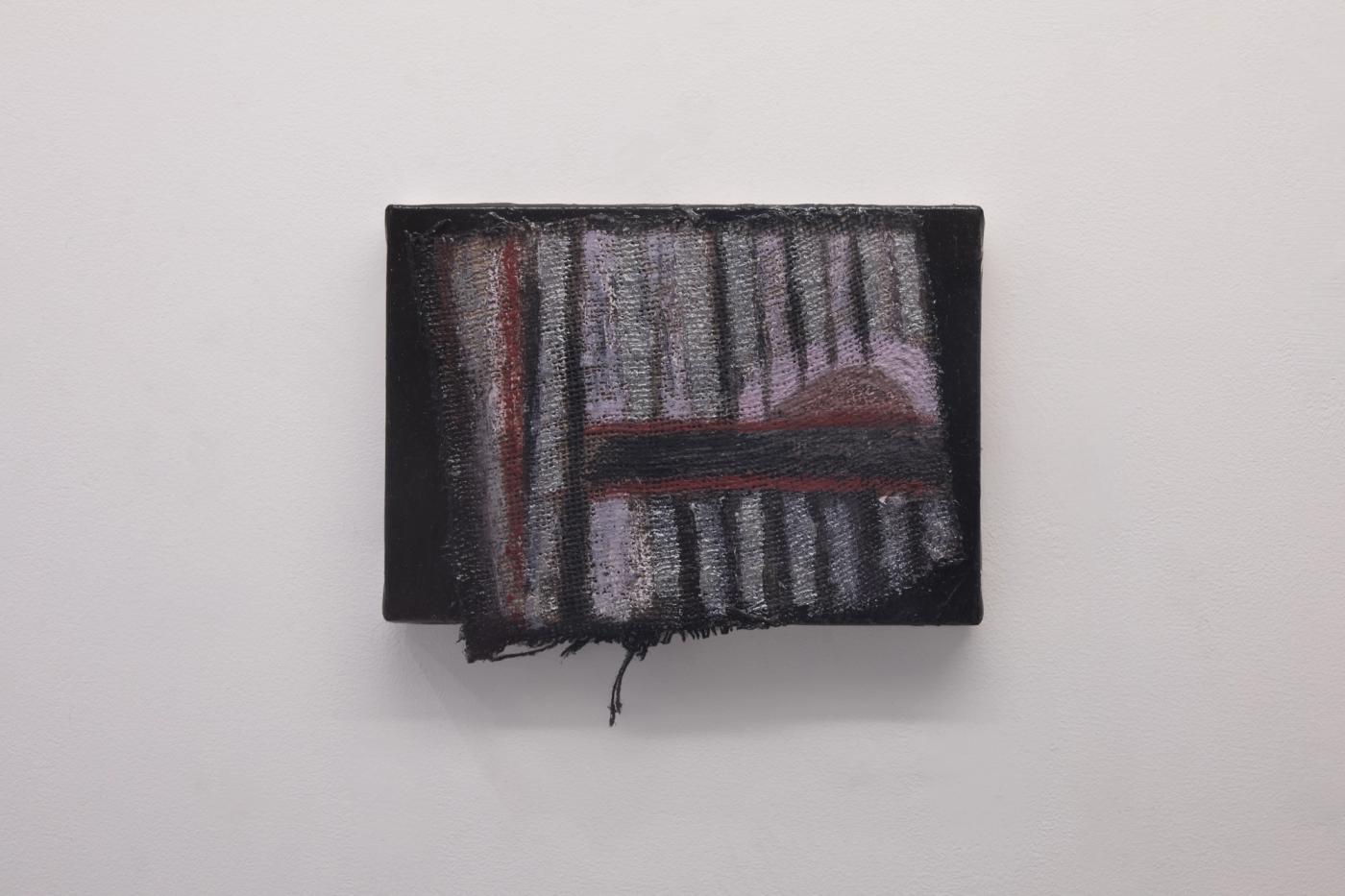
Sunday Best, 2026, Oil on canvas
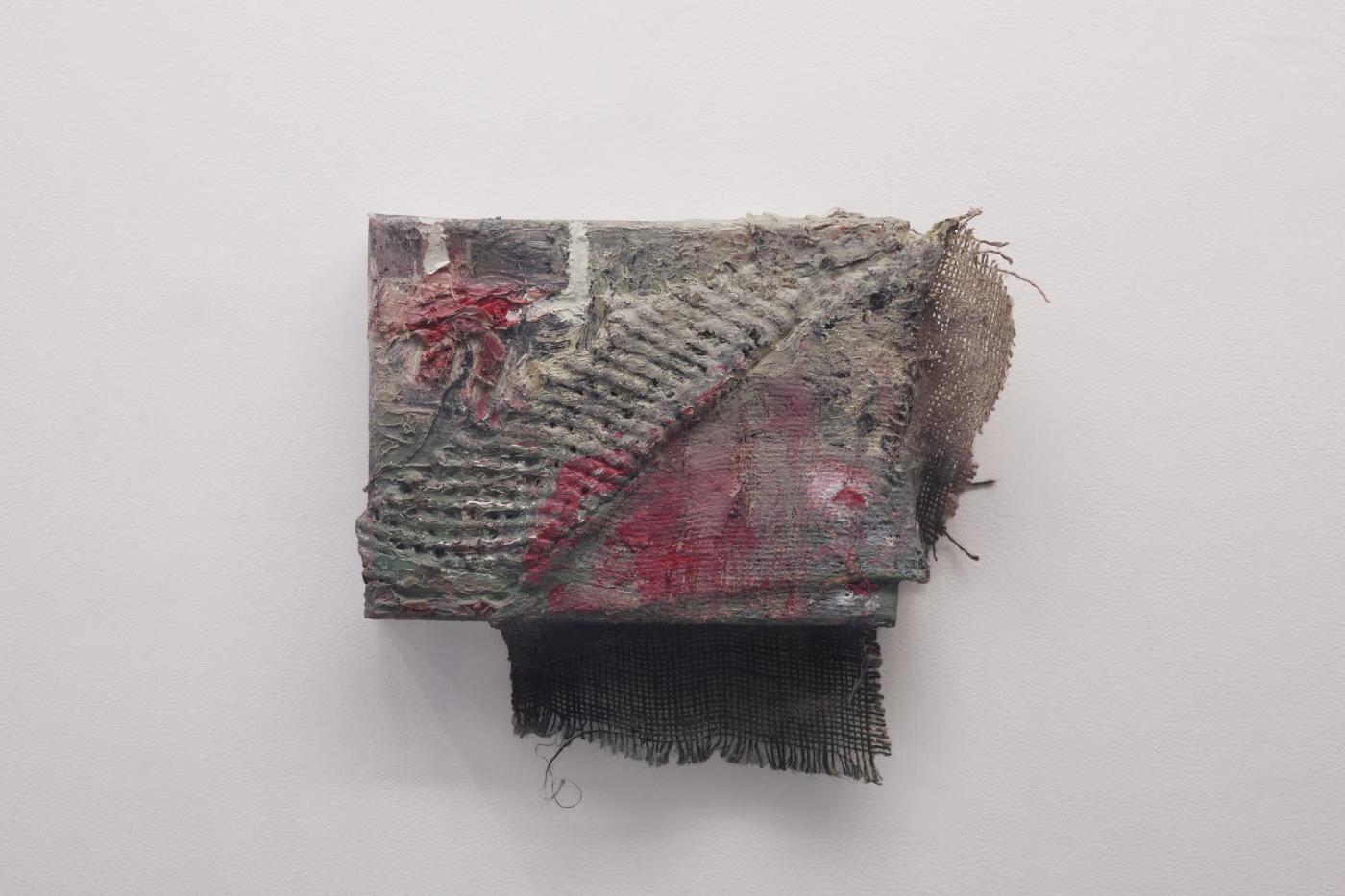
My Overgrown Garden on Via Tiburtina, 2025, Oil on canvas
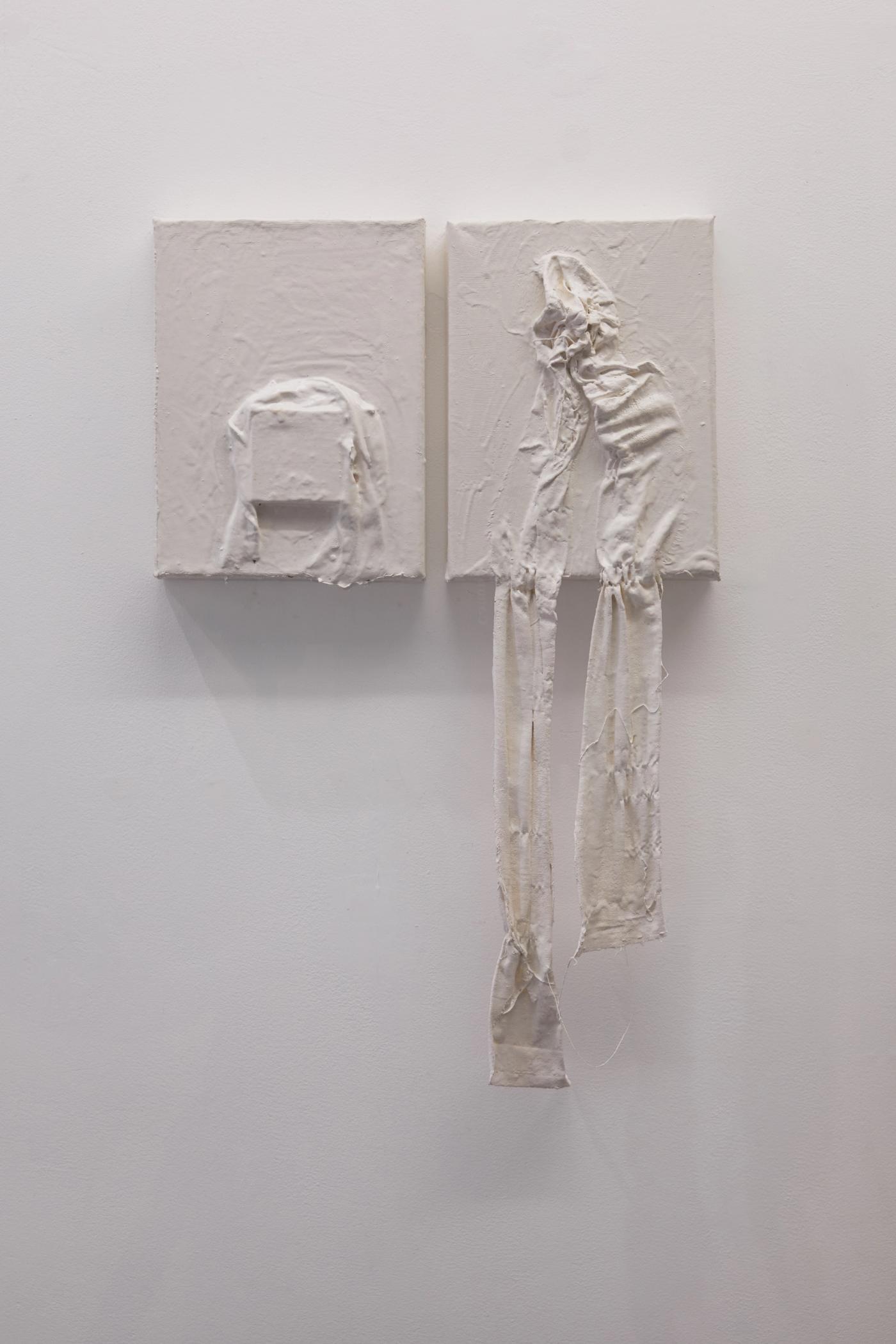
A Place for Two (Nonno’s Tie and Nonna’s Earring Box), Oil and plaster on canvas
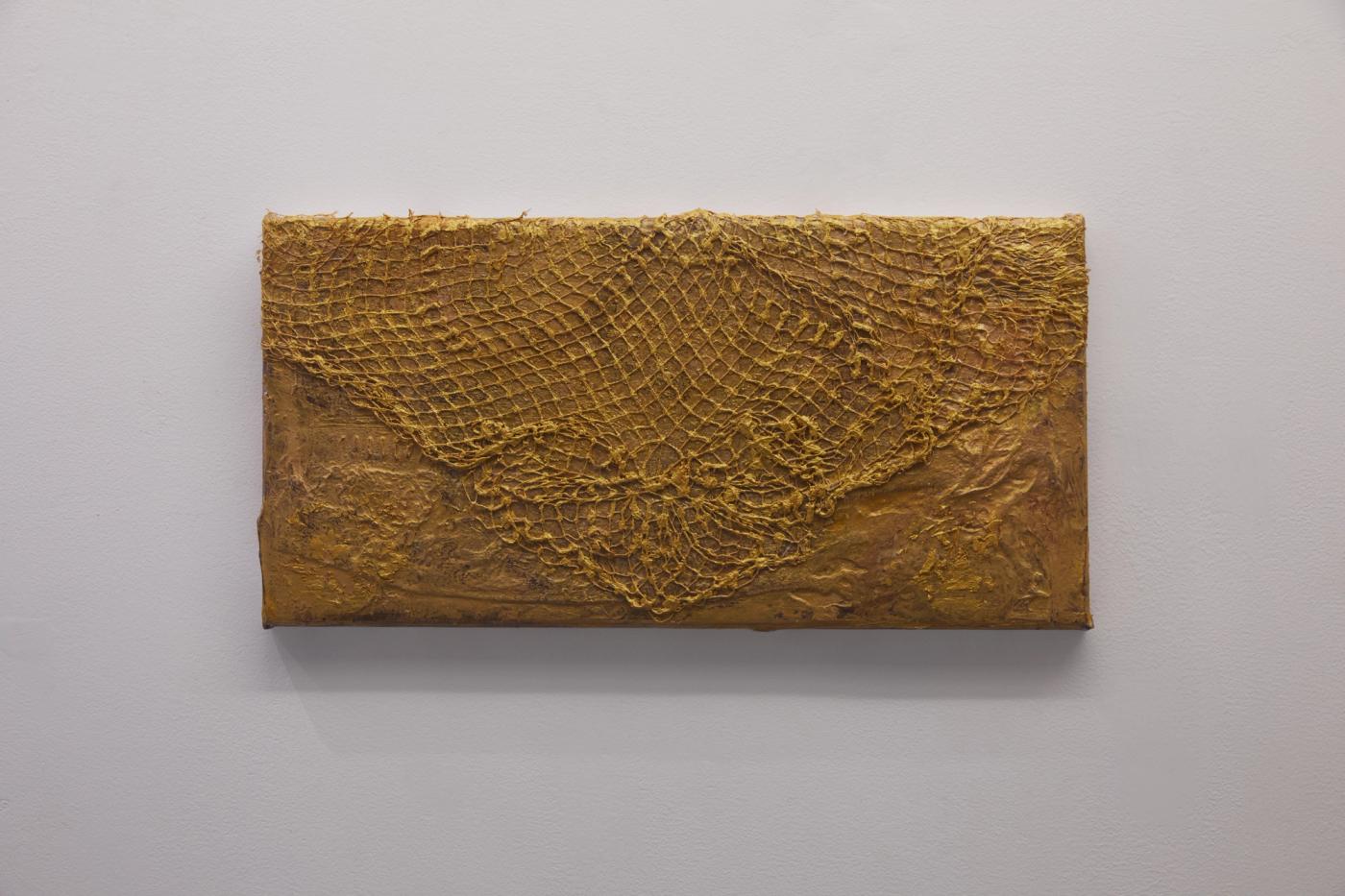
Oro Falso, 2026, Oil on canvas
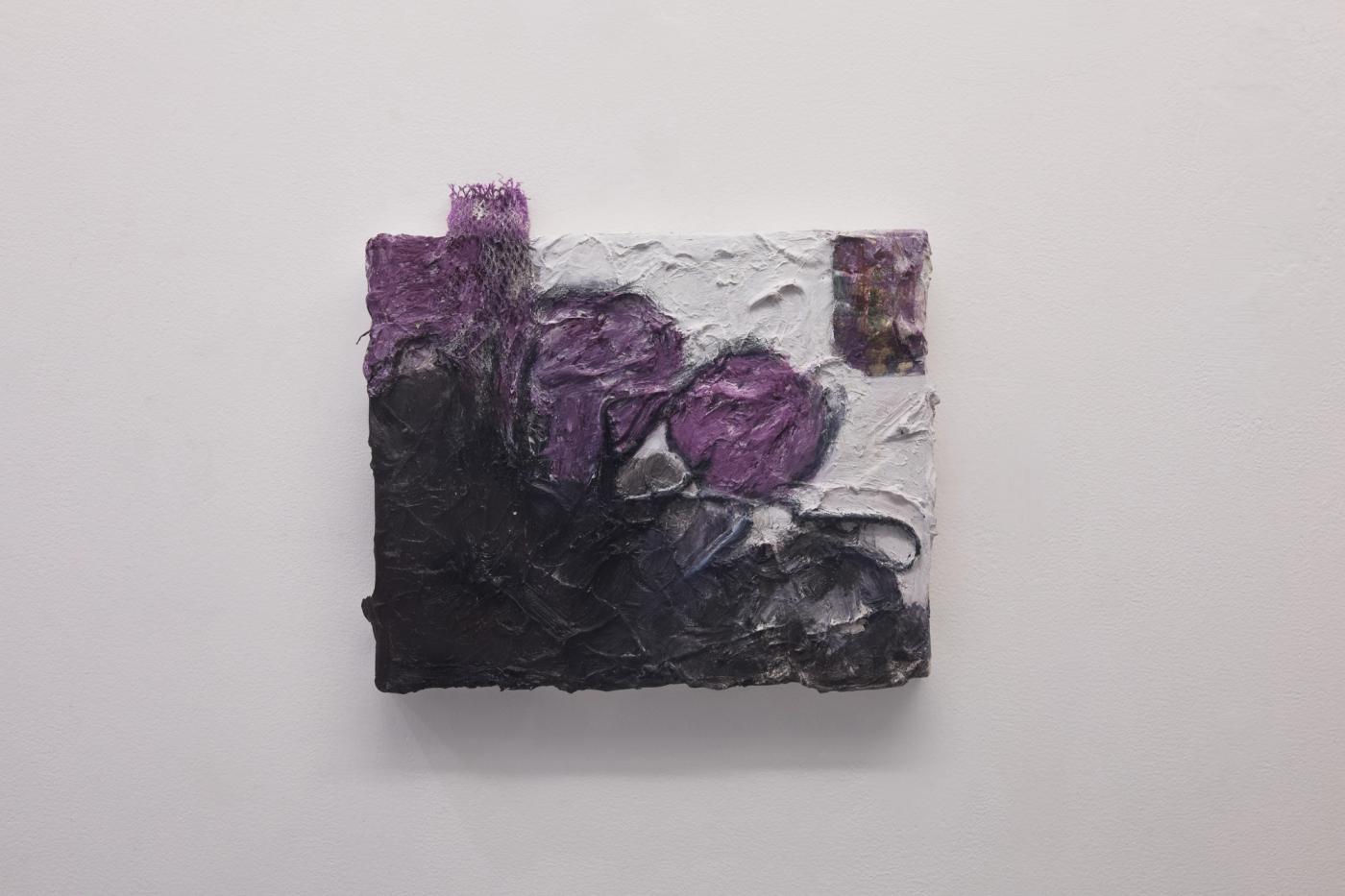
Cuori di Carciofo, 2025, Oil on canvas
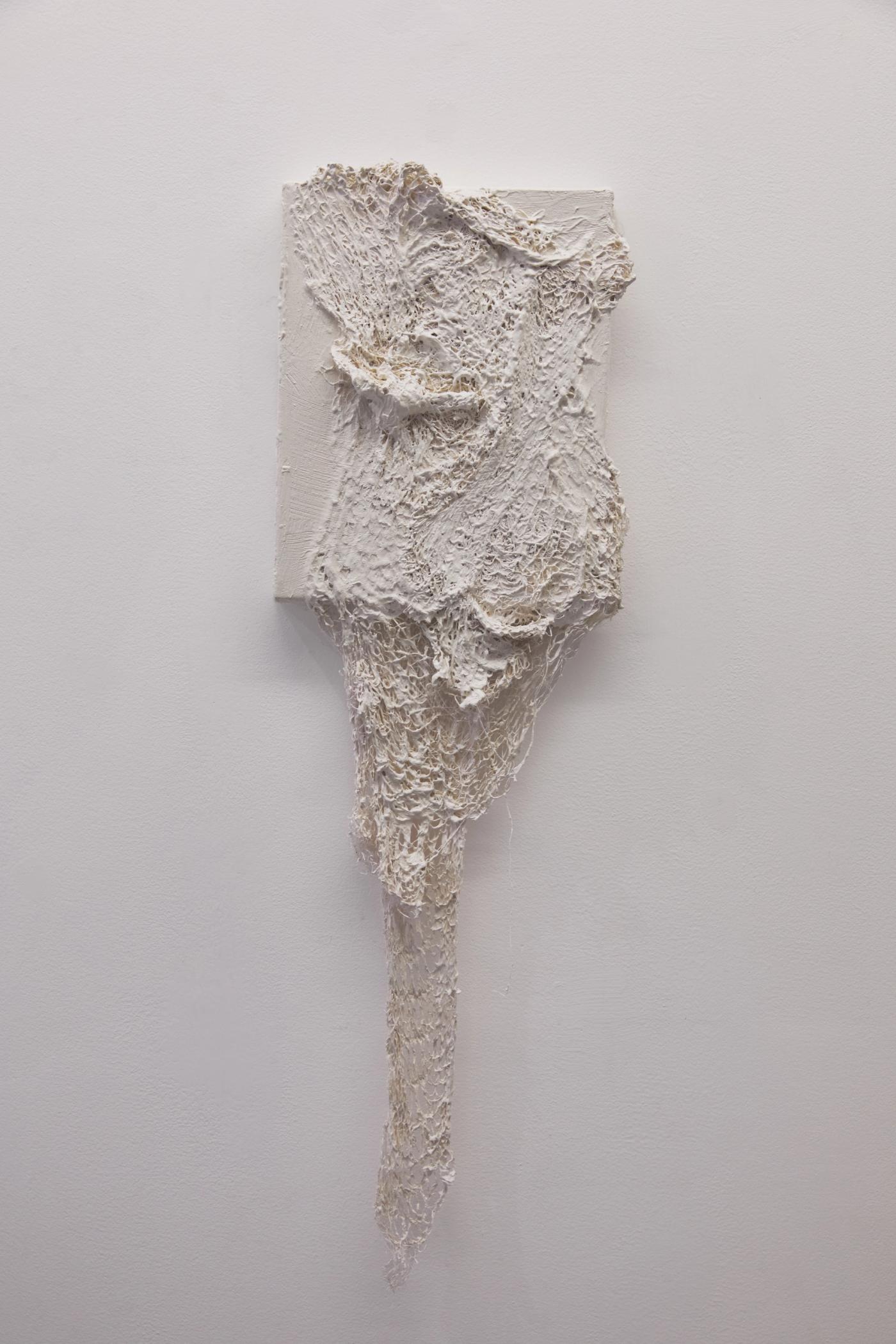
Fig Net, 2026, Net, plaster and oil on canvas
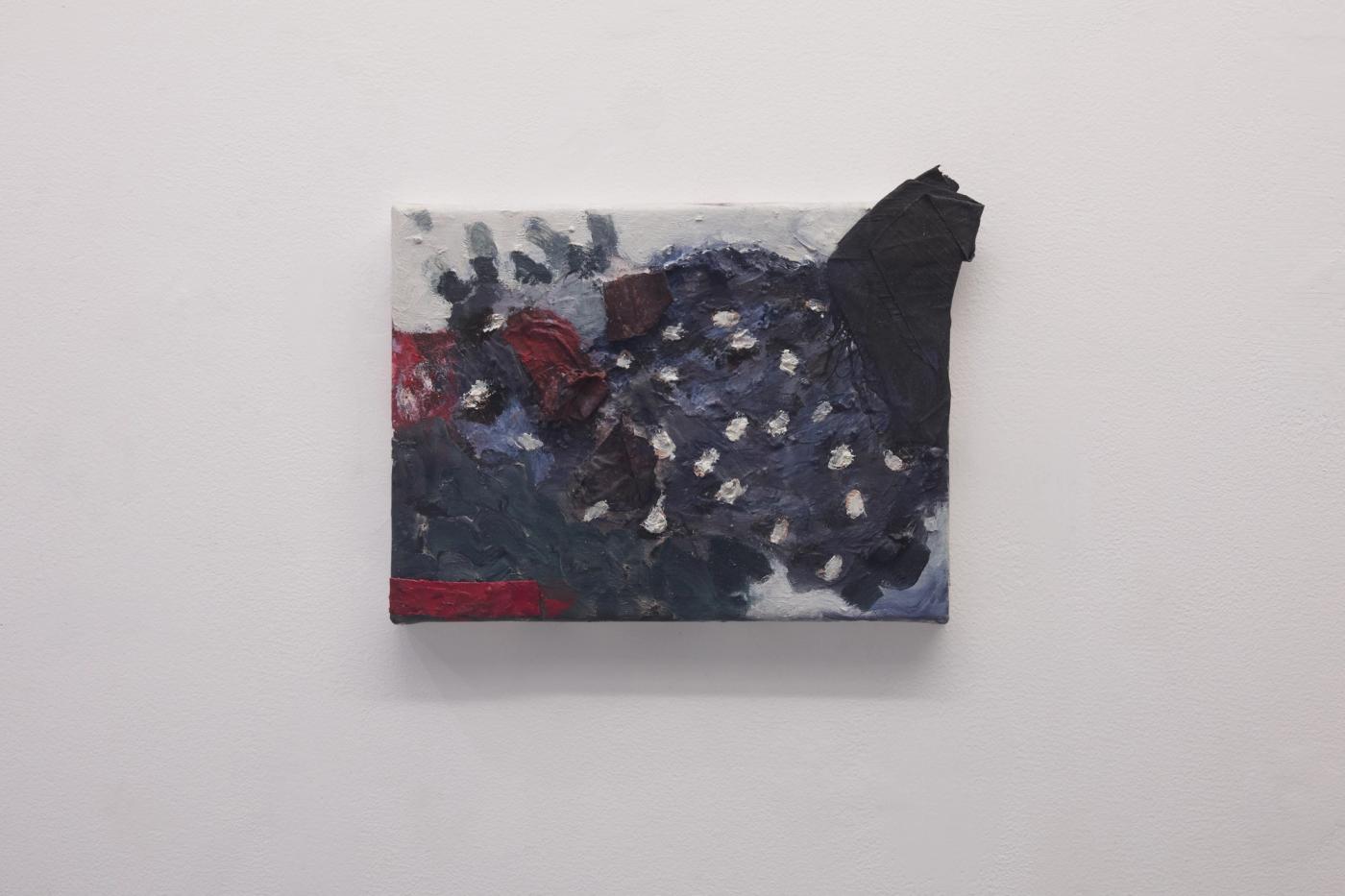
False Spring, 2025, Oil on canvas
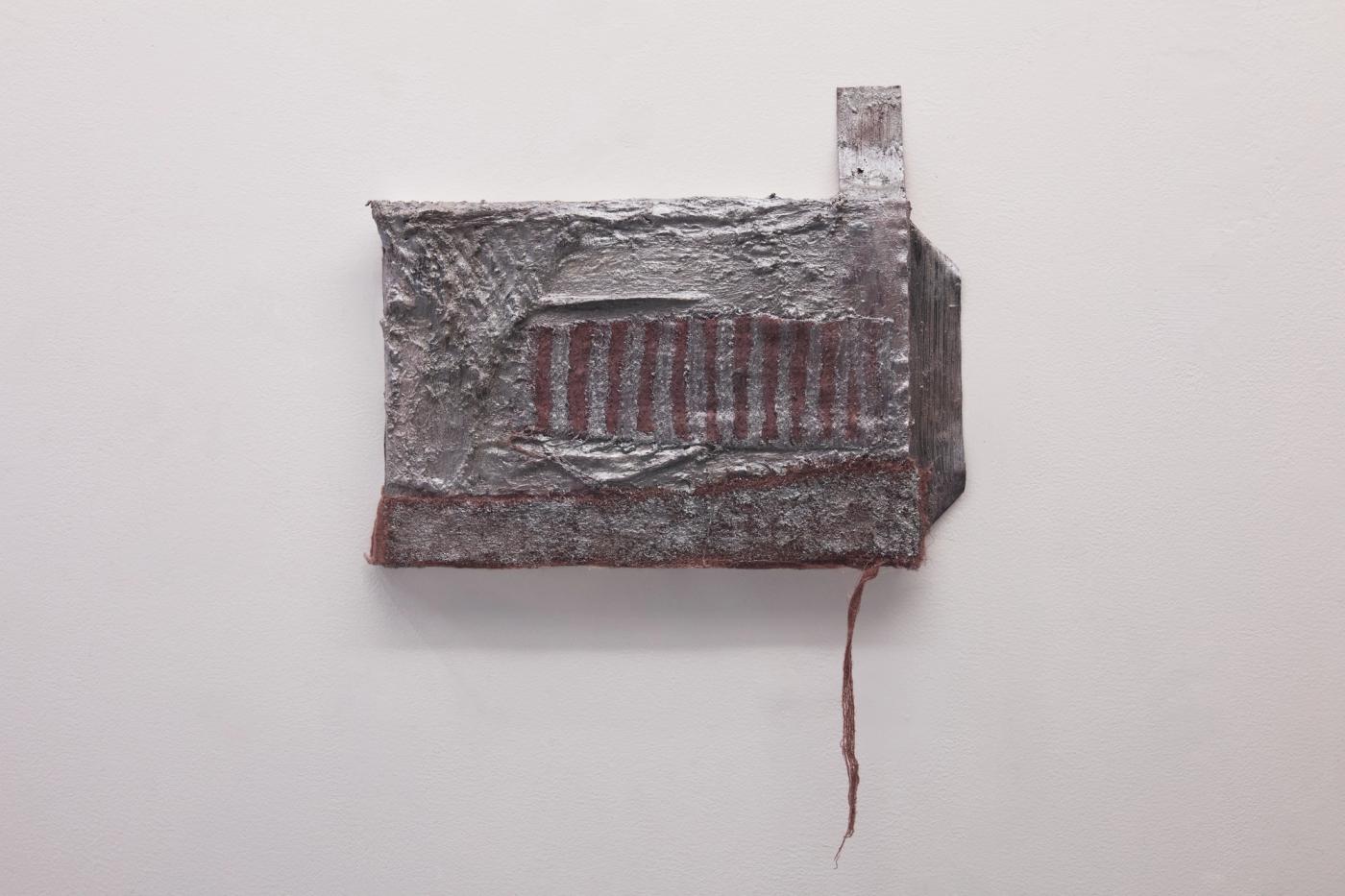
L’Argento di Famiglia, 2026, Oil on canvas
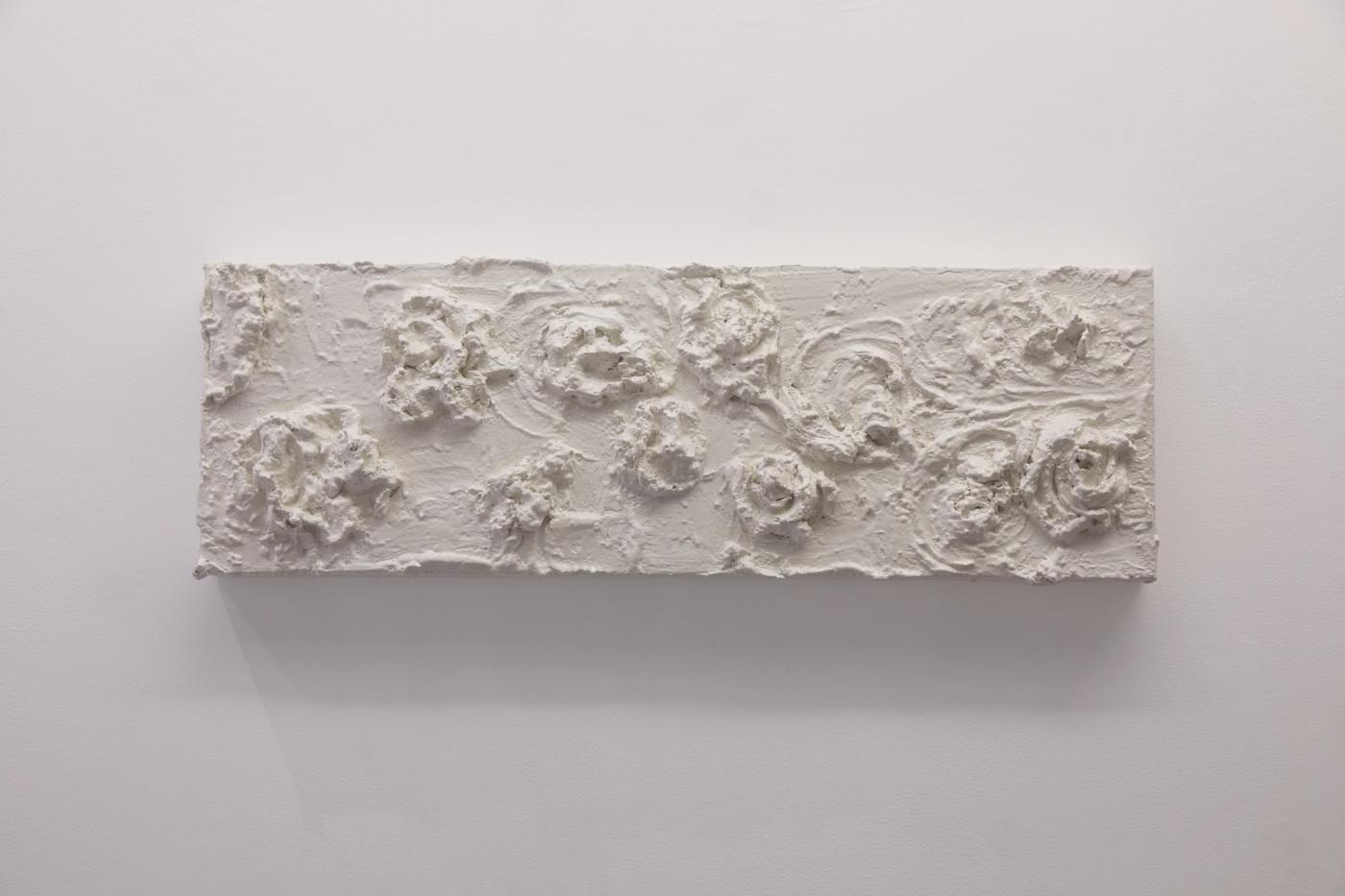
Finto Marmo, 2026, Oil, plaster on canvas
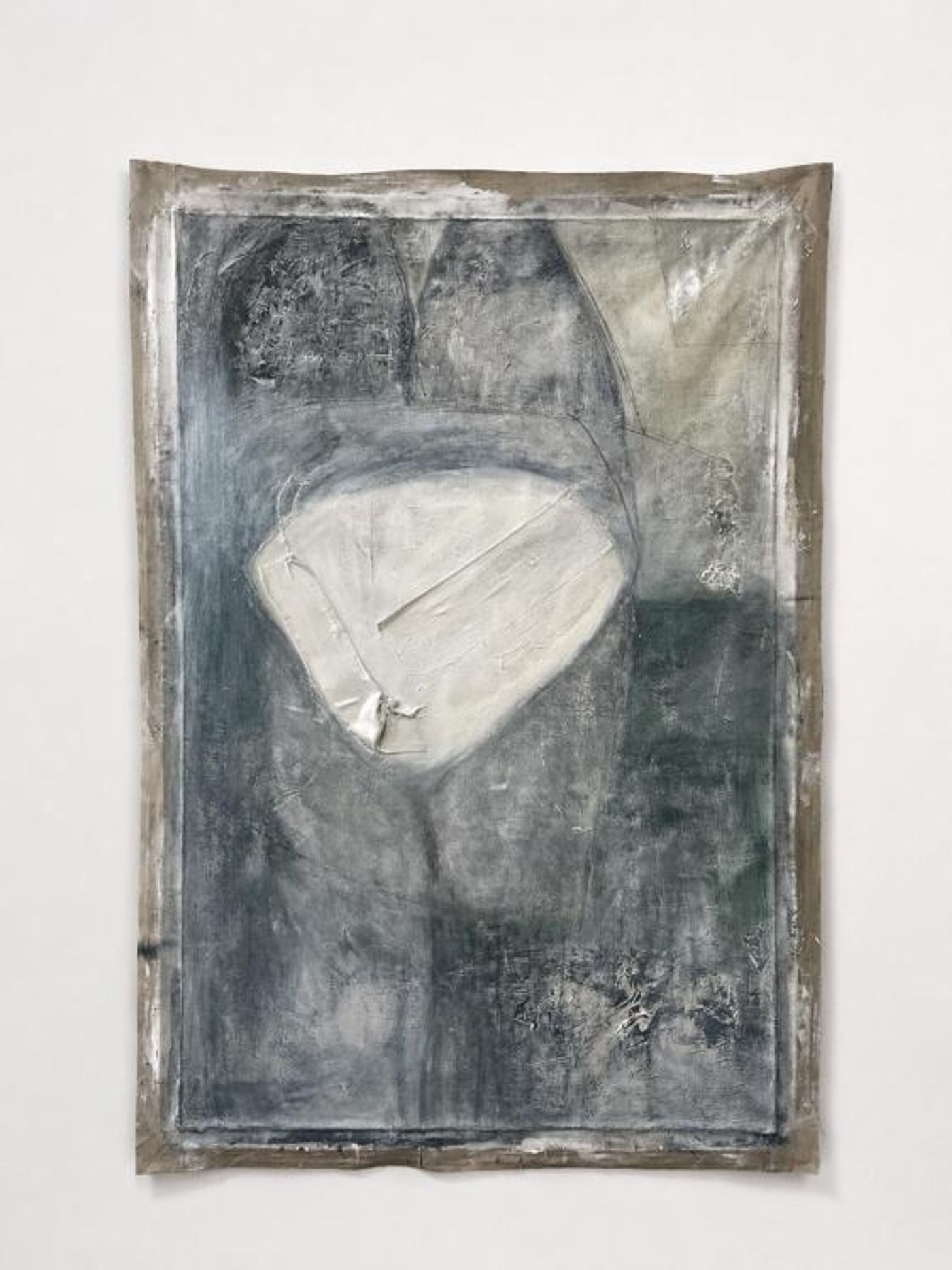
The Shell, 2025, Oil, plaster and textile on canvas
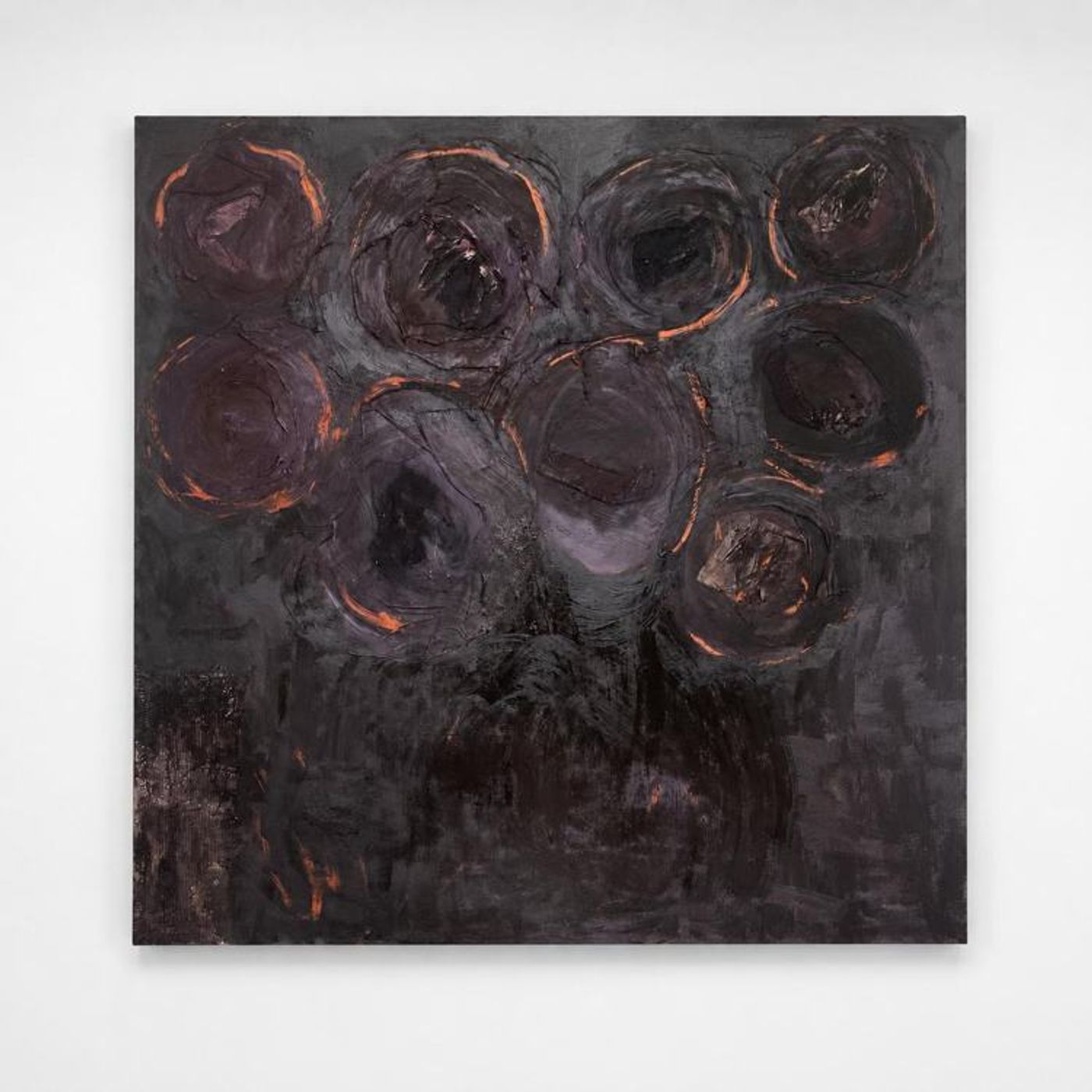
Burnt Garden, 2026, Oil on canvas
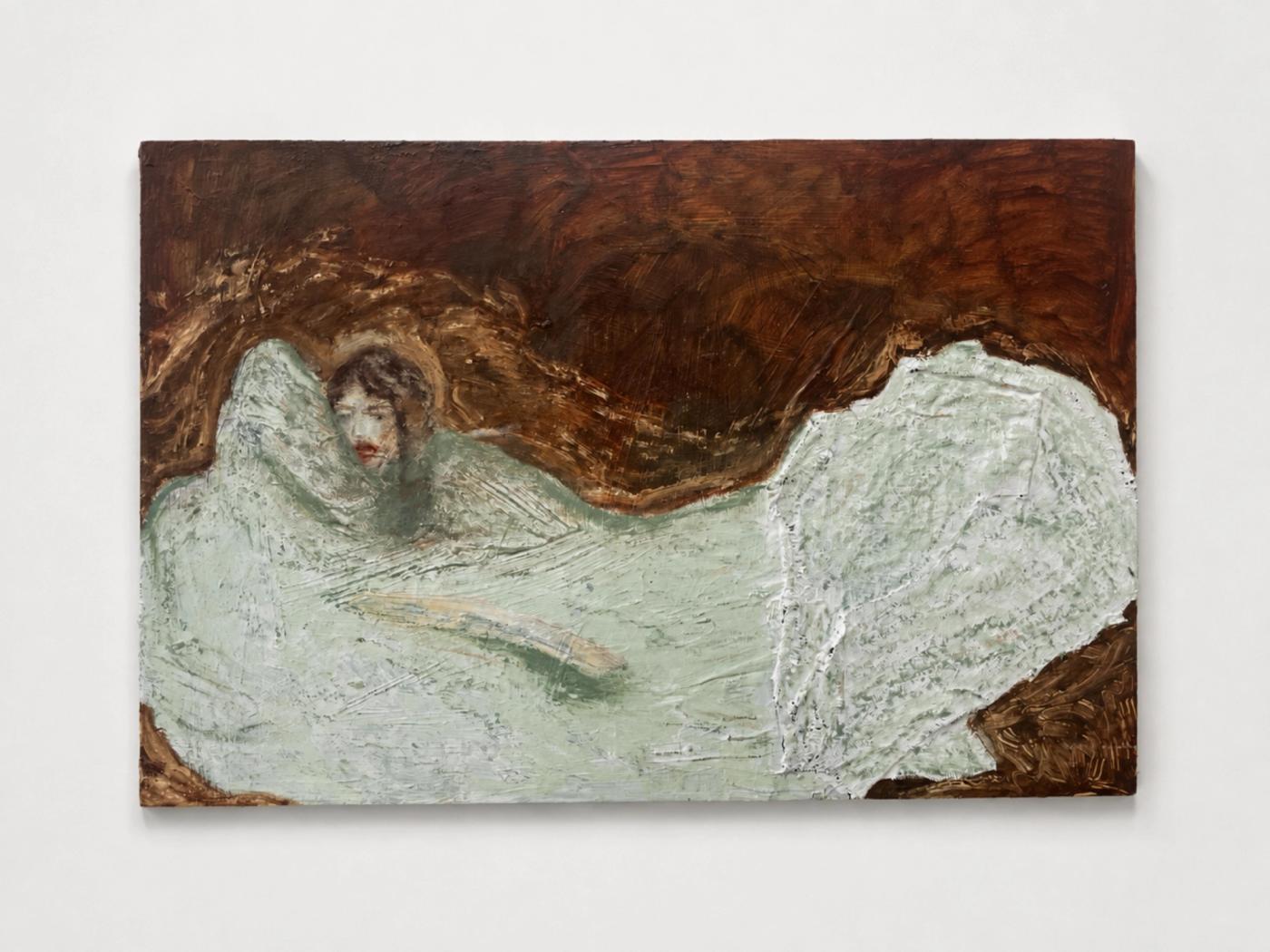
Resting, 2025, Oil on panel
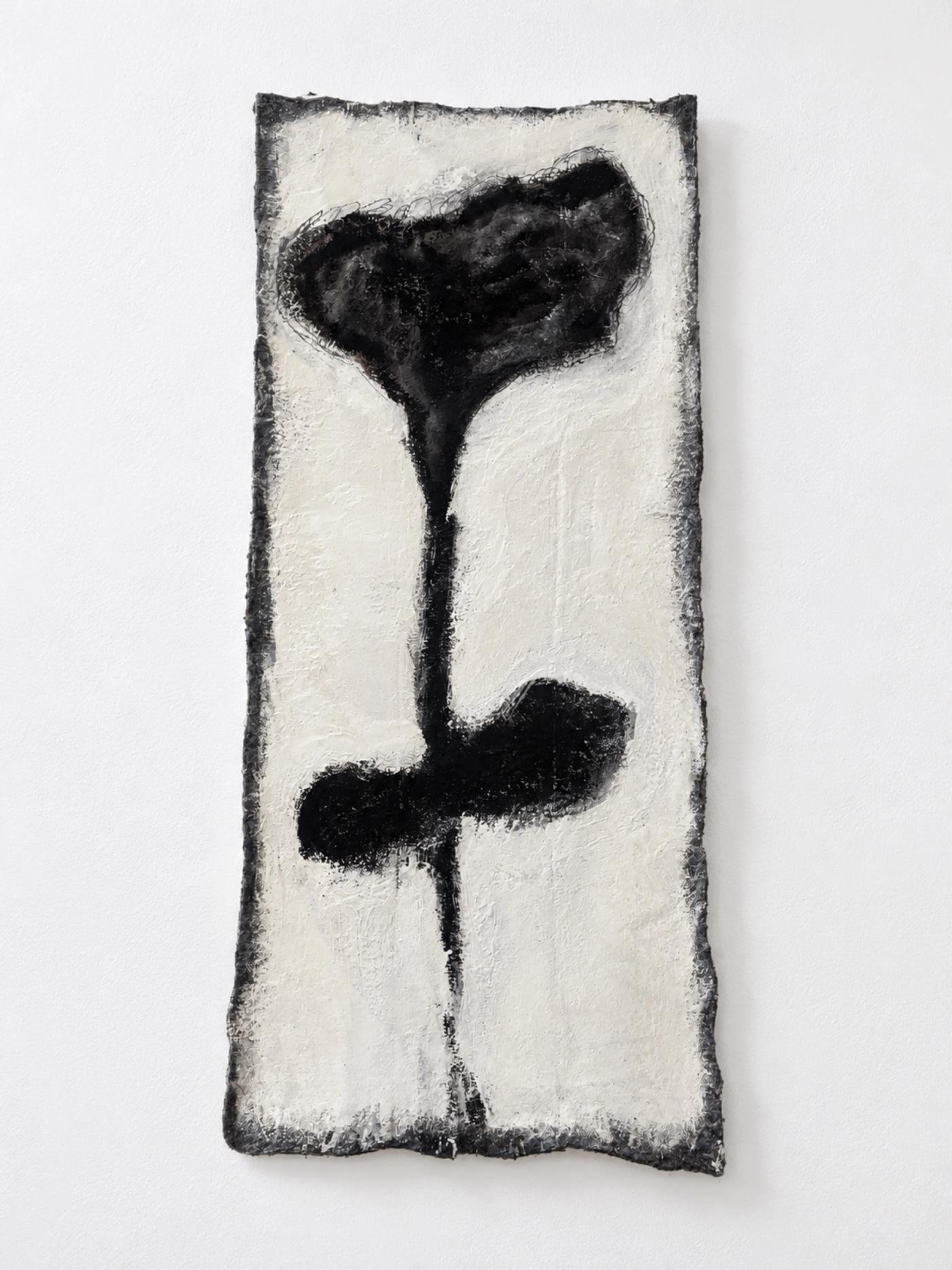
Handle with Care, 2025, Acrylic and charcoal on moving blankets
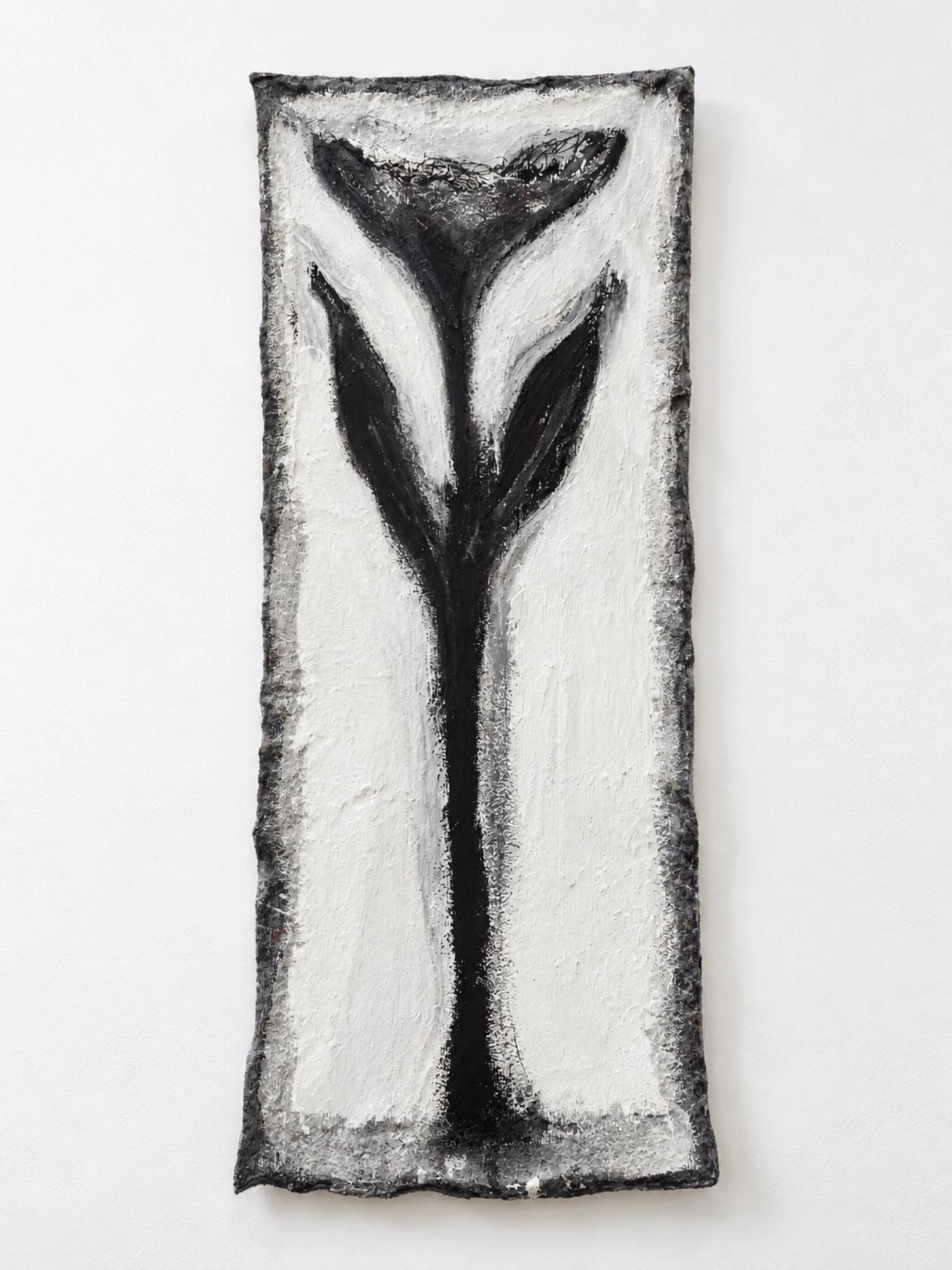
Handle with Care, 2025, Acrylic and charcoal on moving blankets
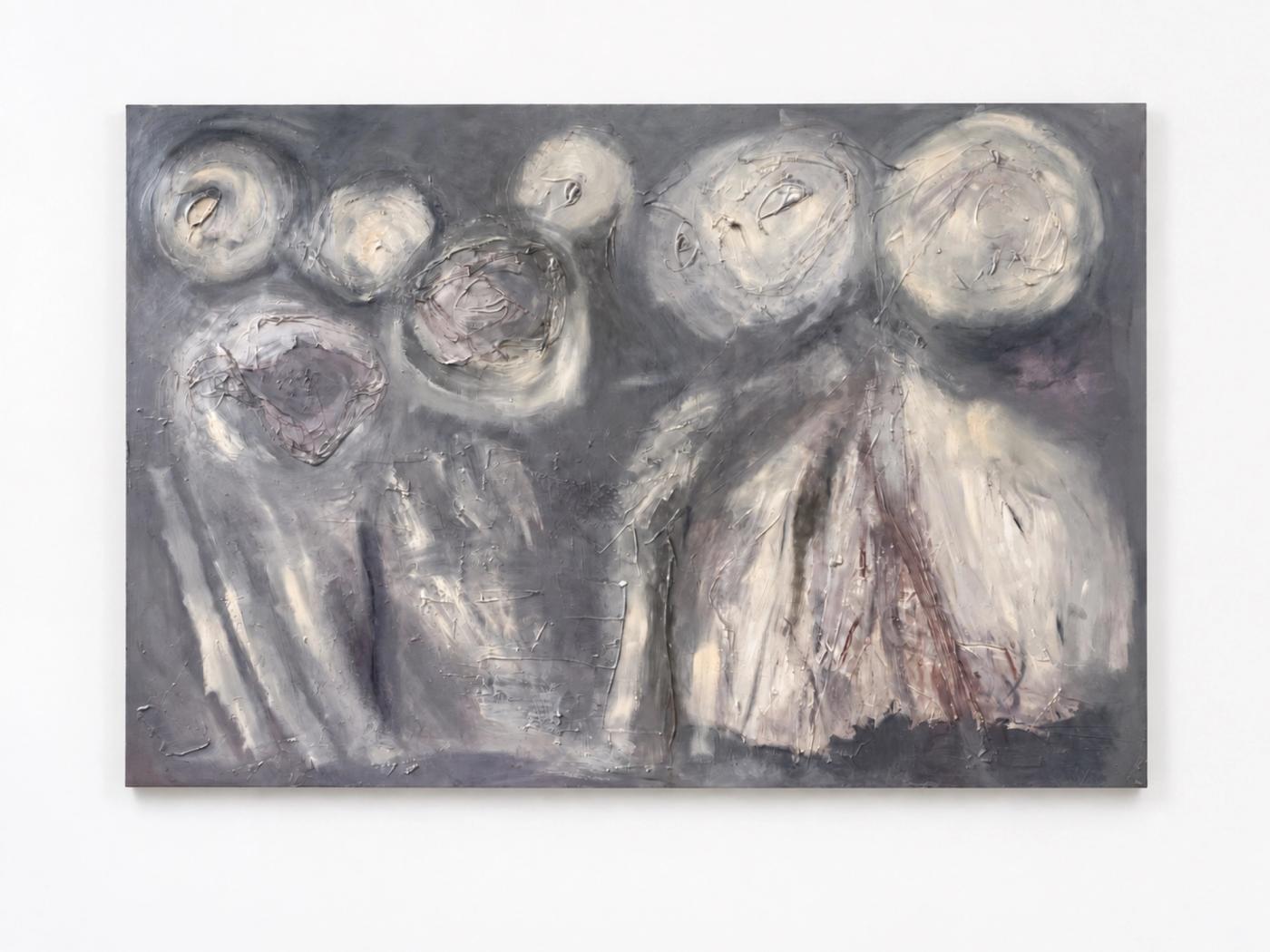
Senza Corpo, 2026, Oil on canvas
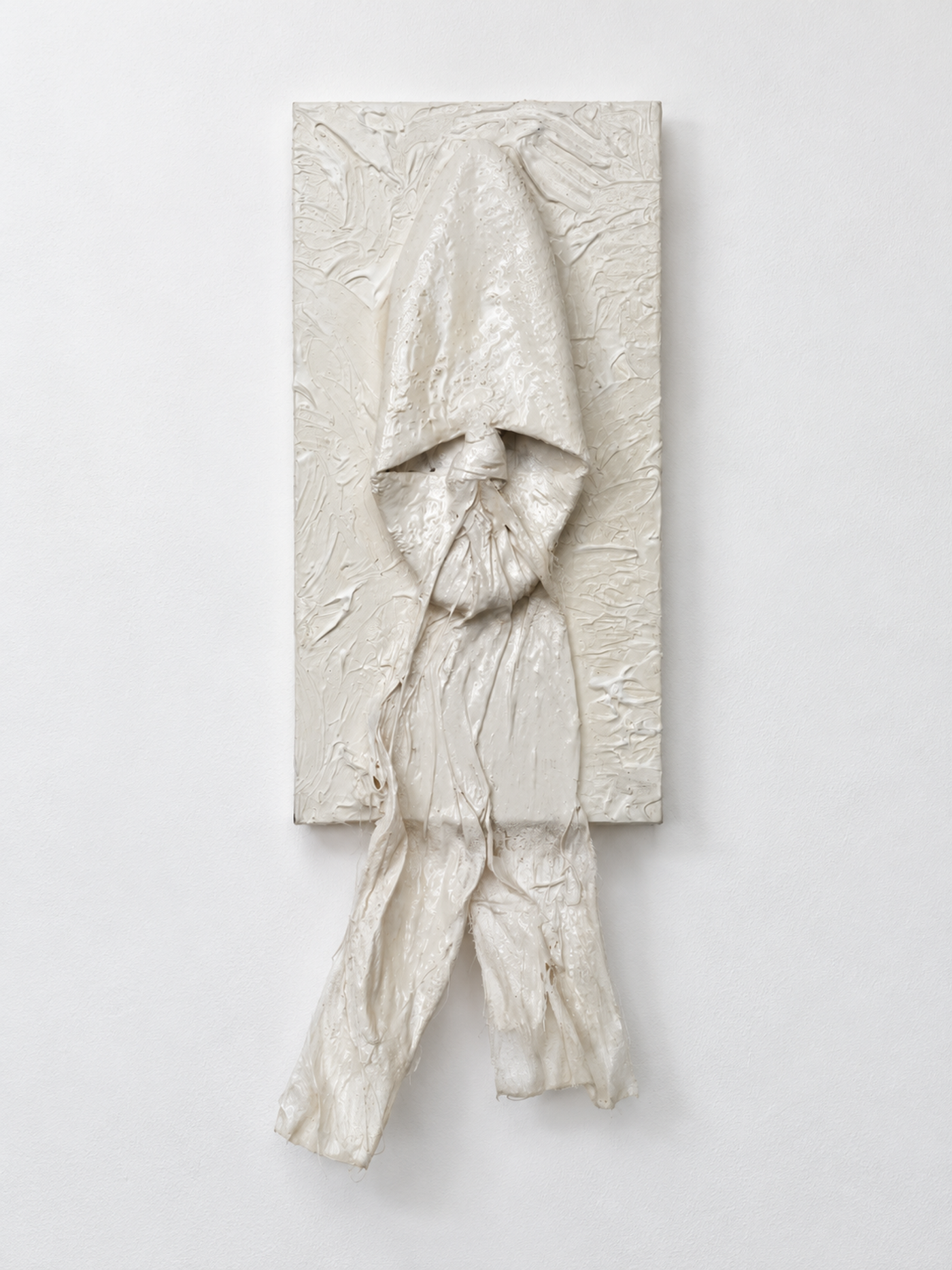
La Pantofola di Nonno, Oil and plaster on panel
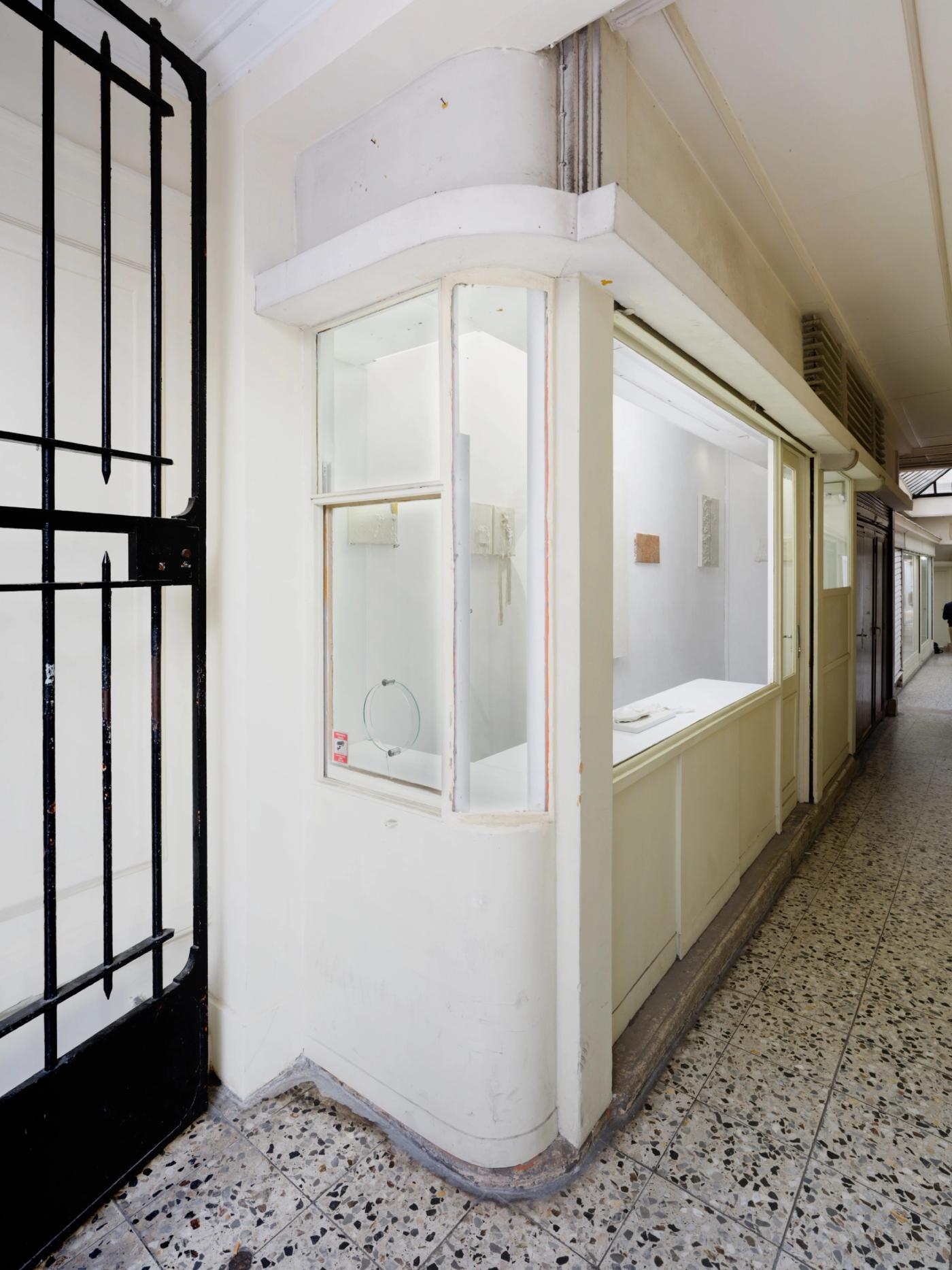
Exhibition View
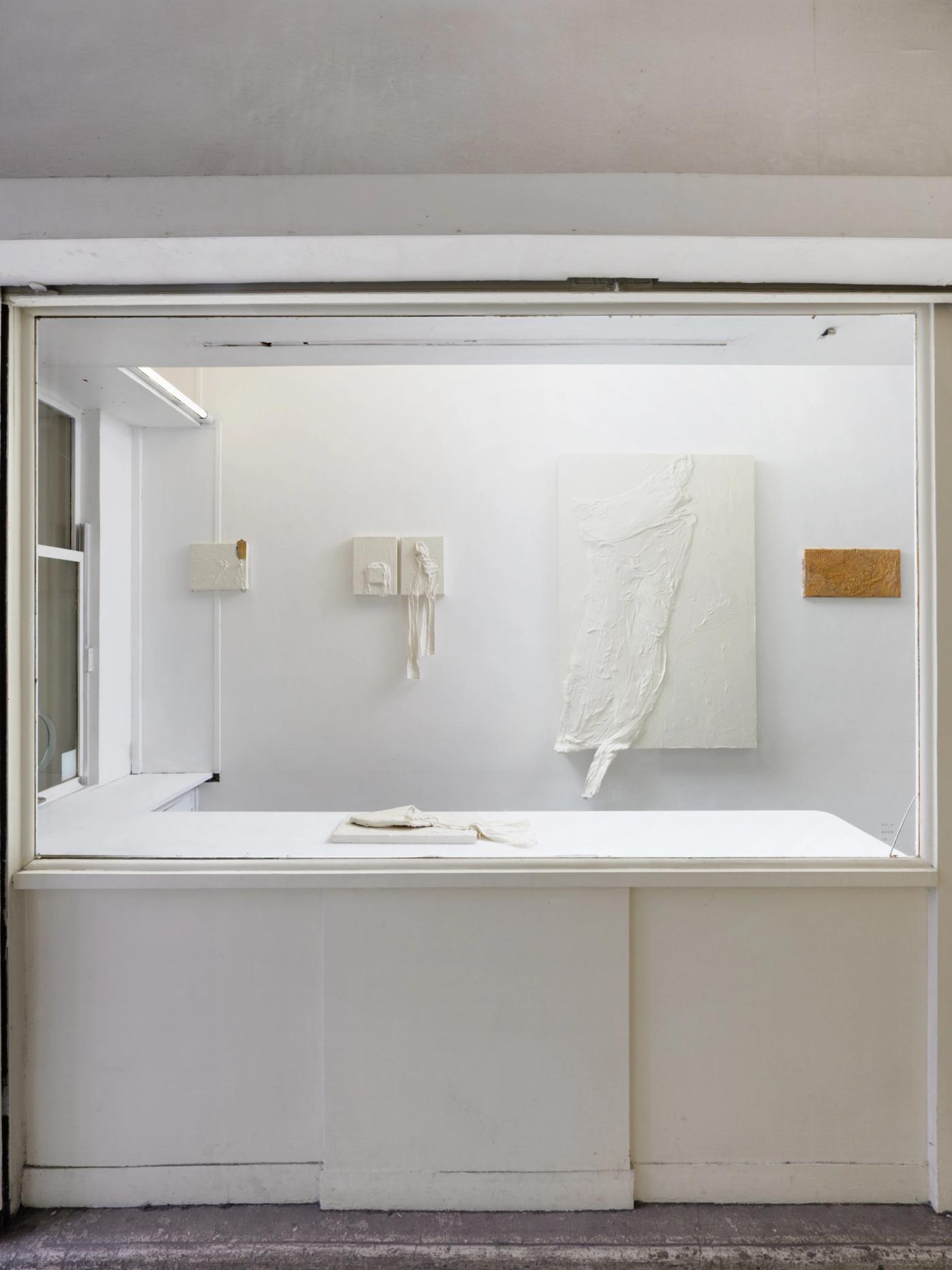
Exhibition View
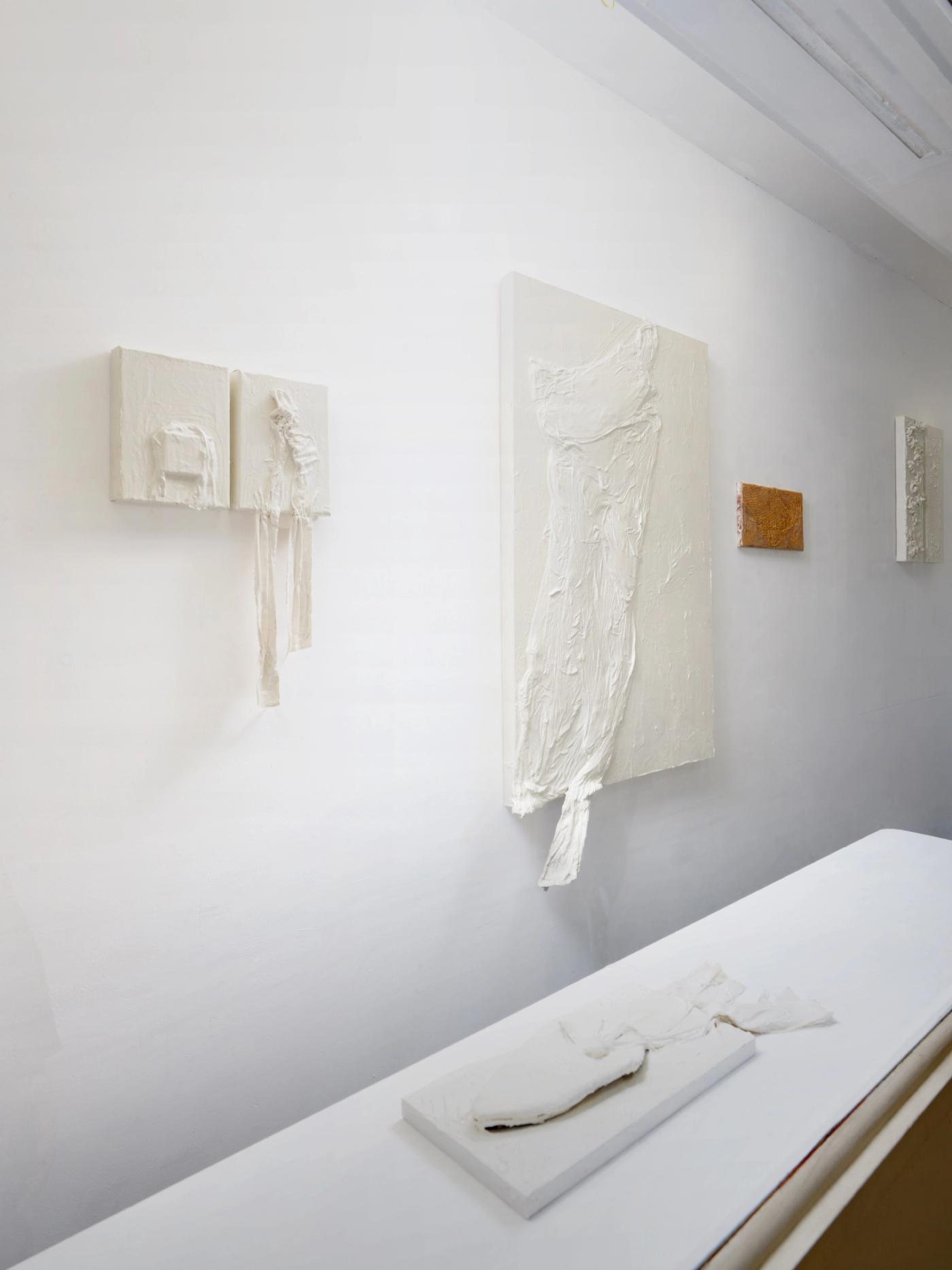
Exhibition View
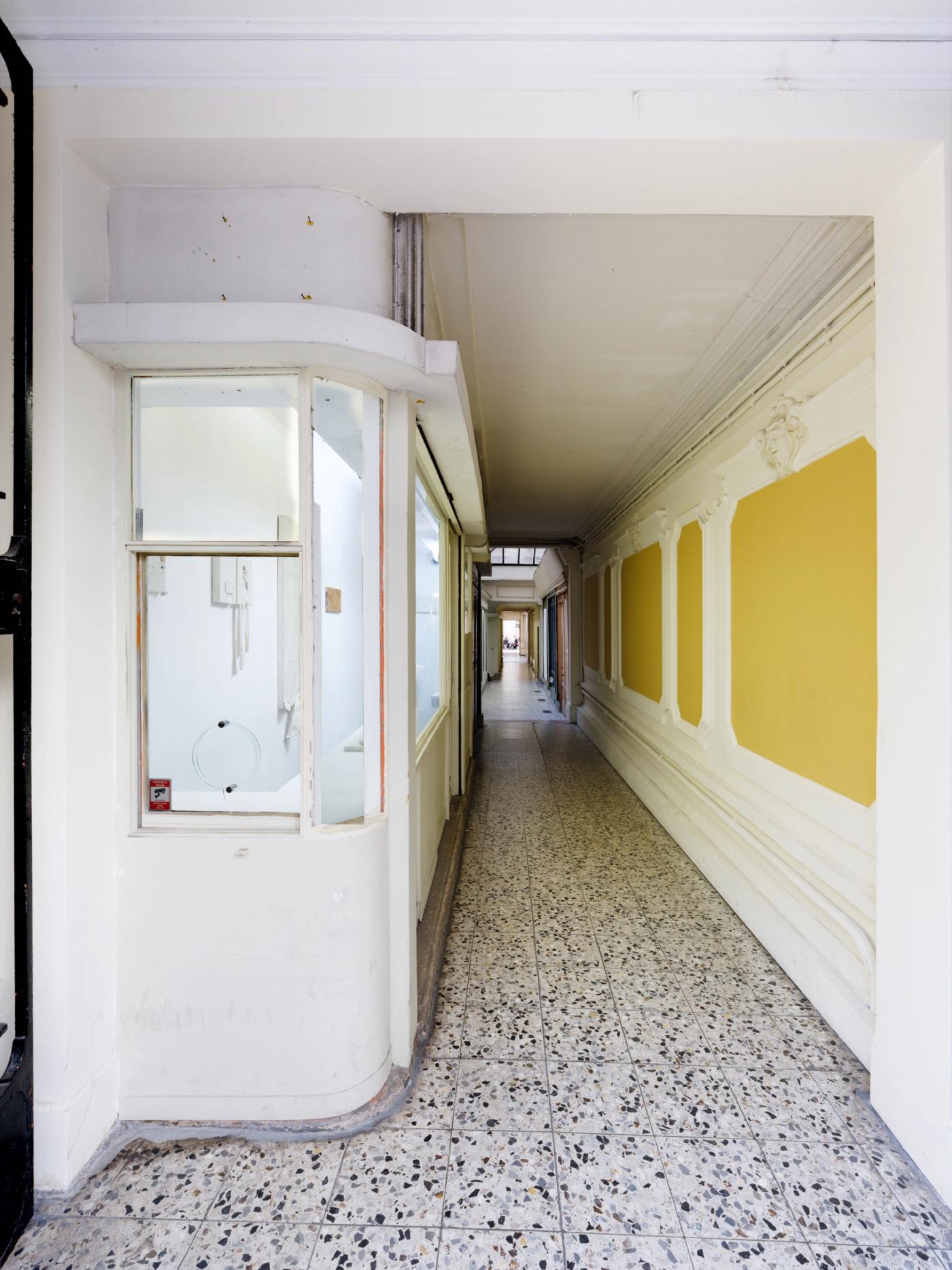
Exhibition View
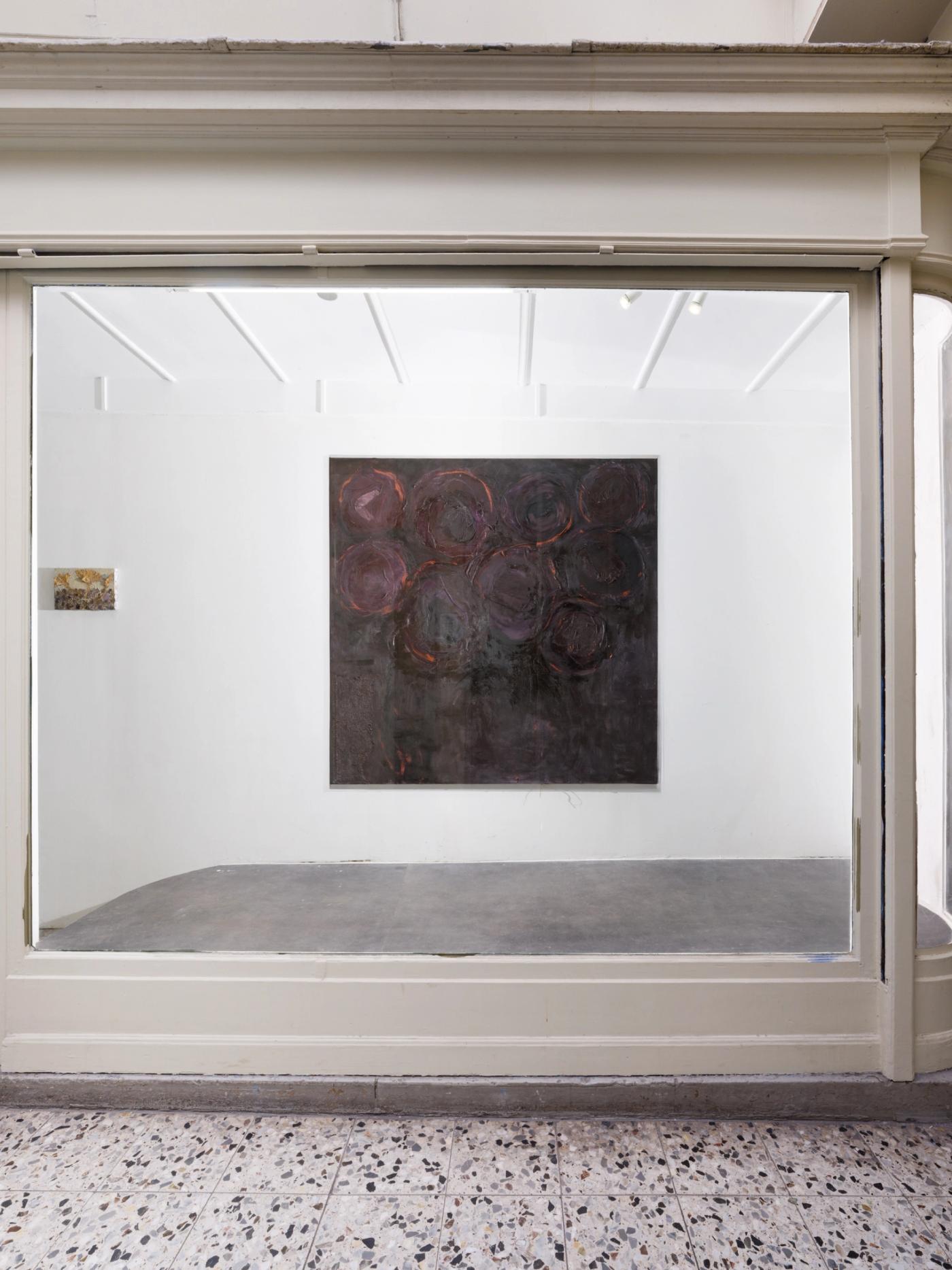
Exhibition View
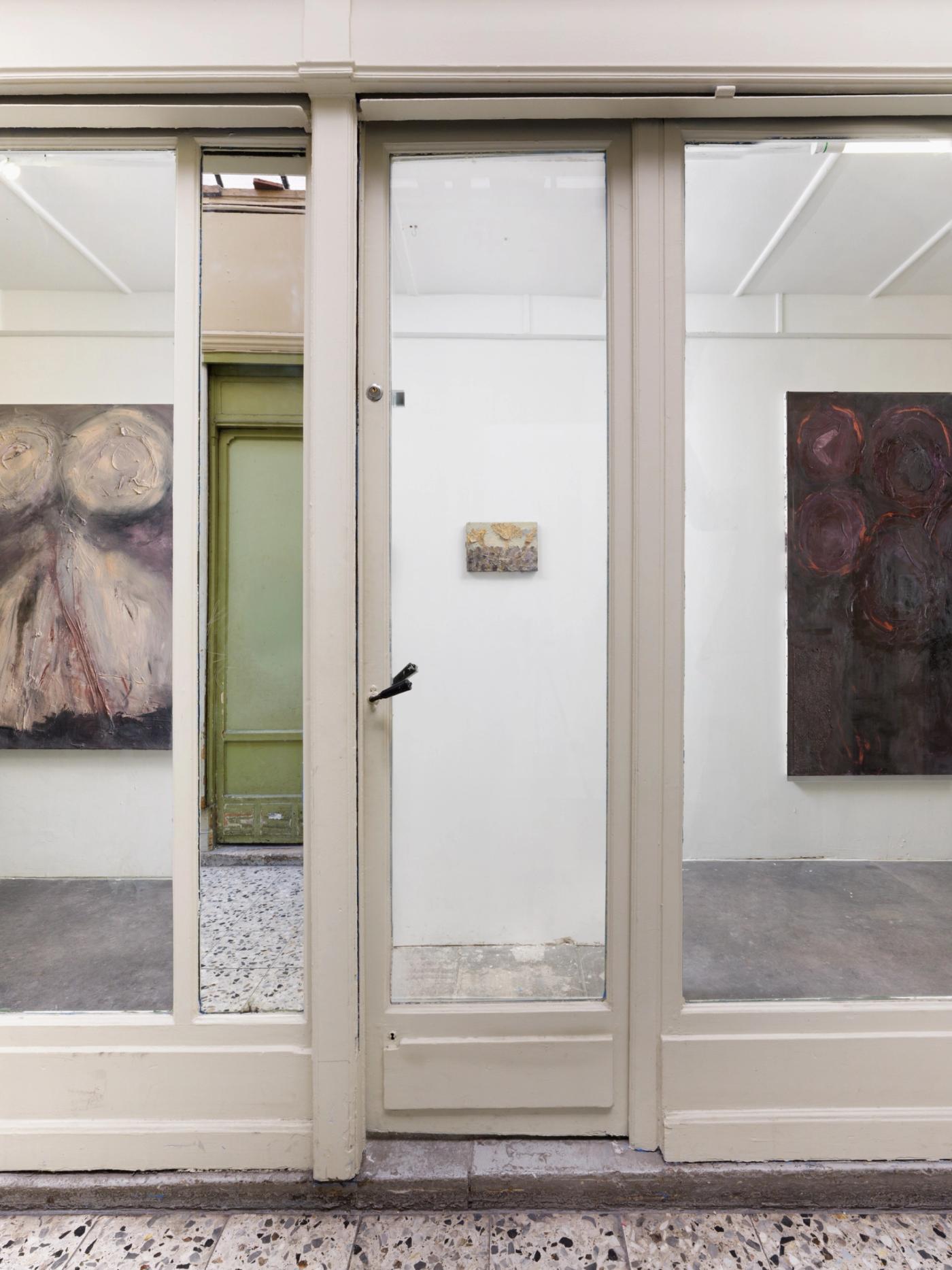
Exhibition View
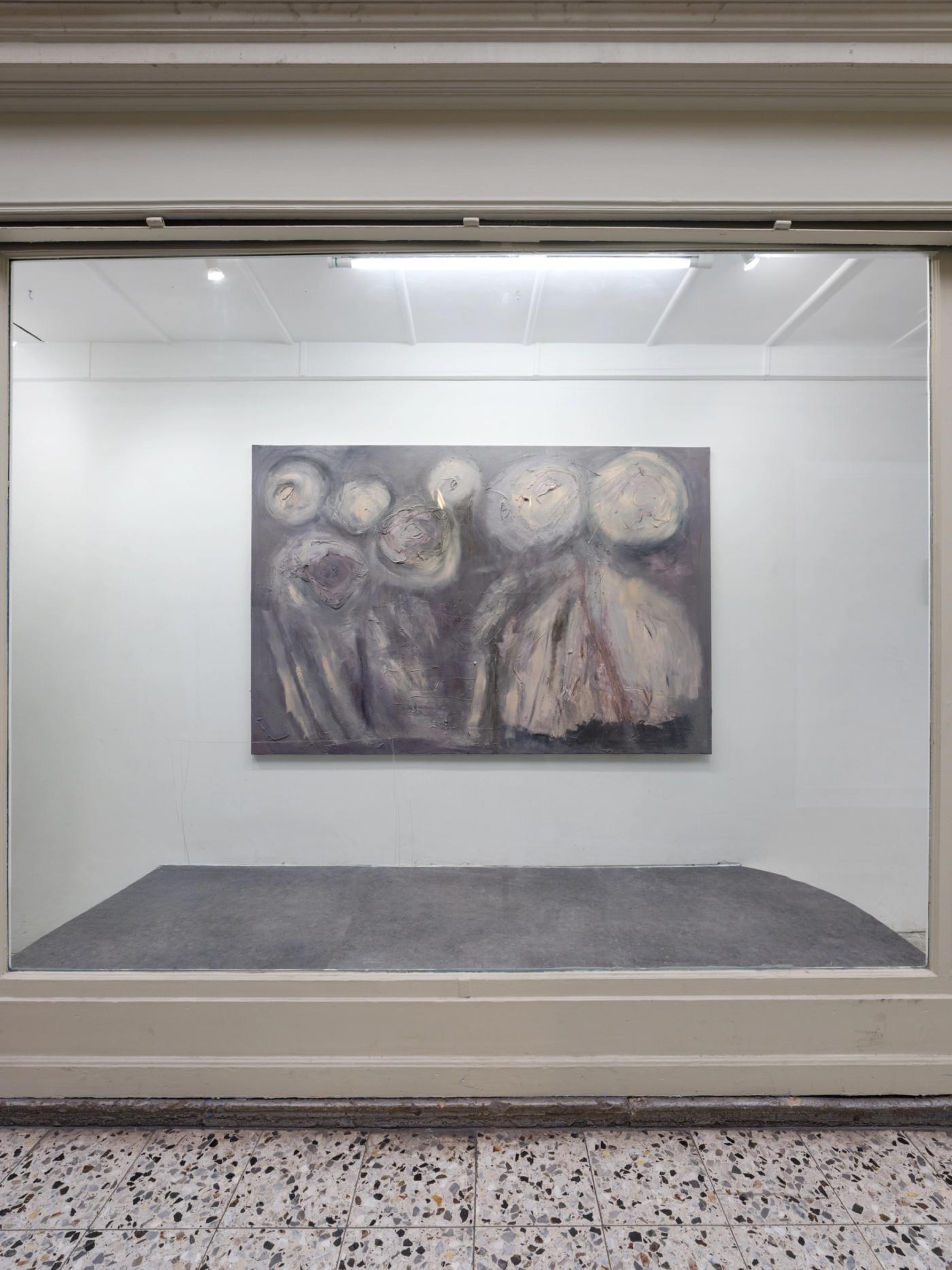
Exhibition View
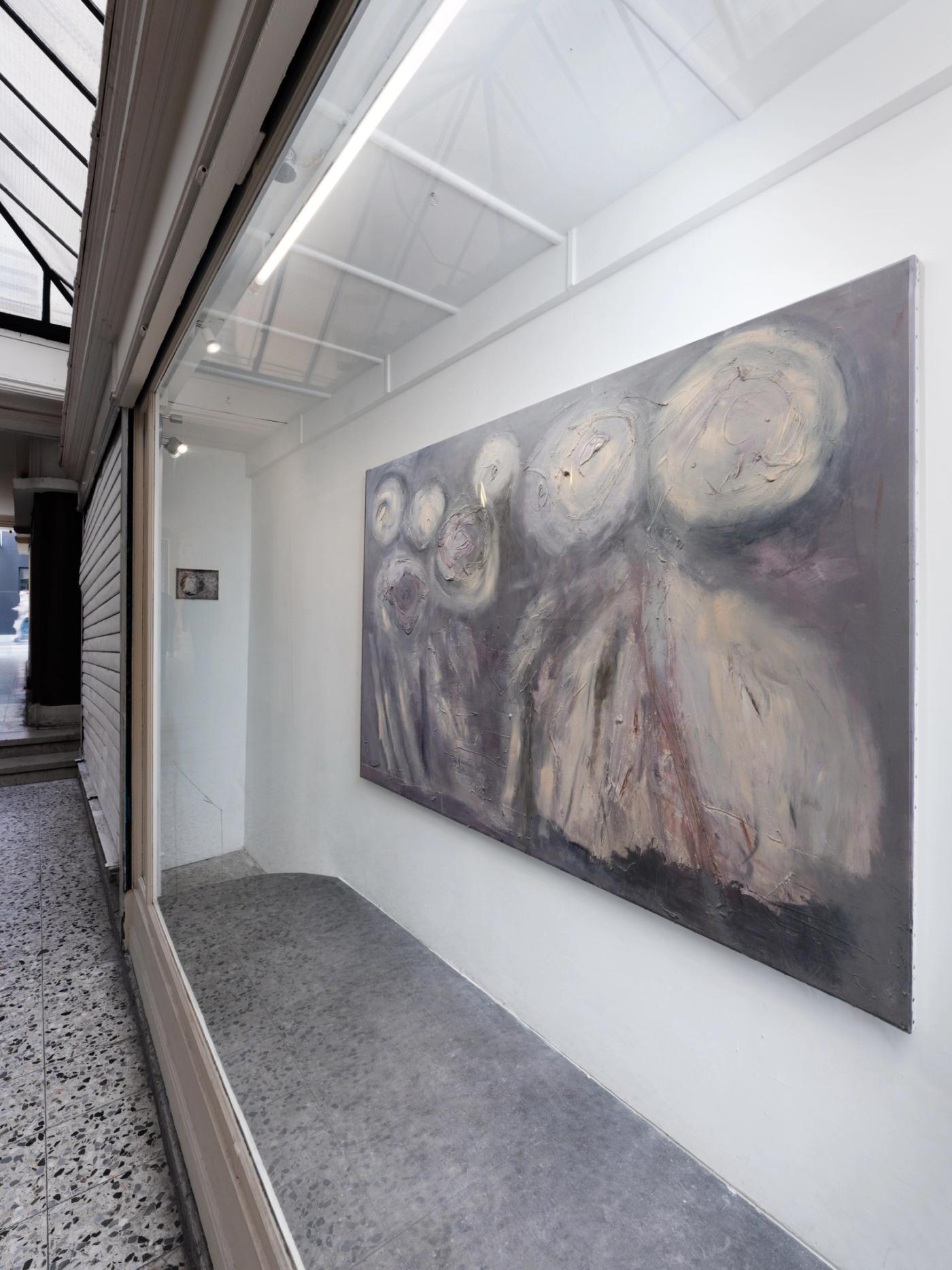
Exhibition View
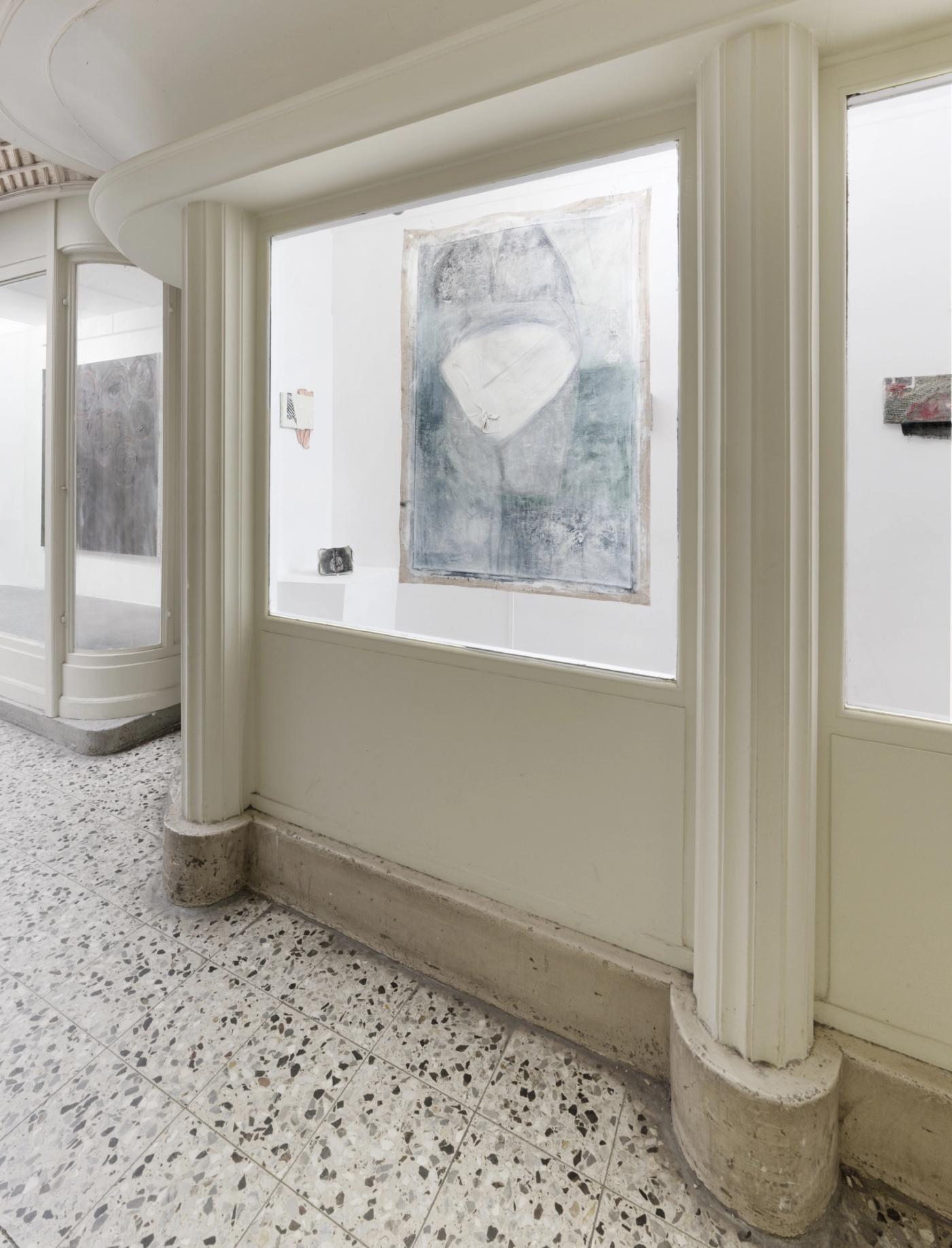
Exhibition View
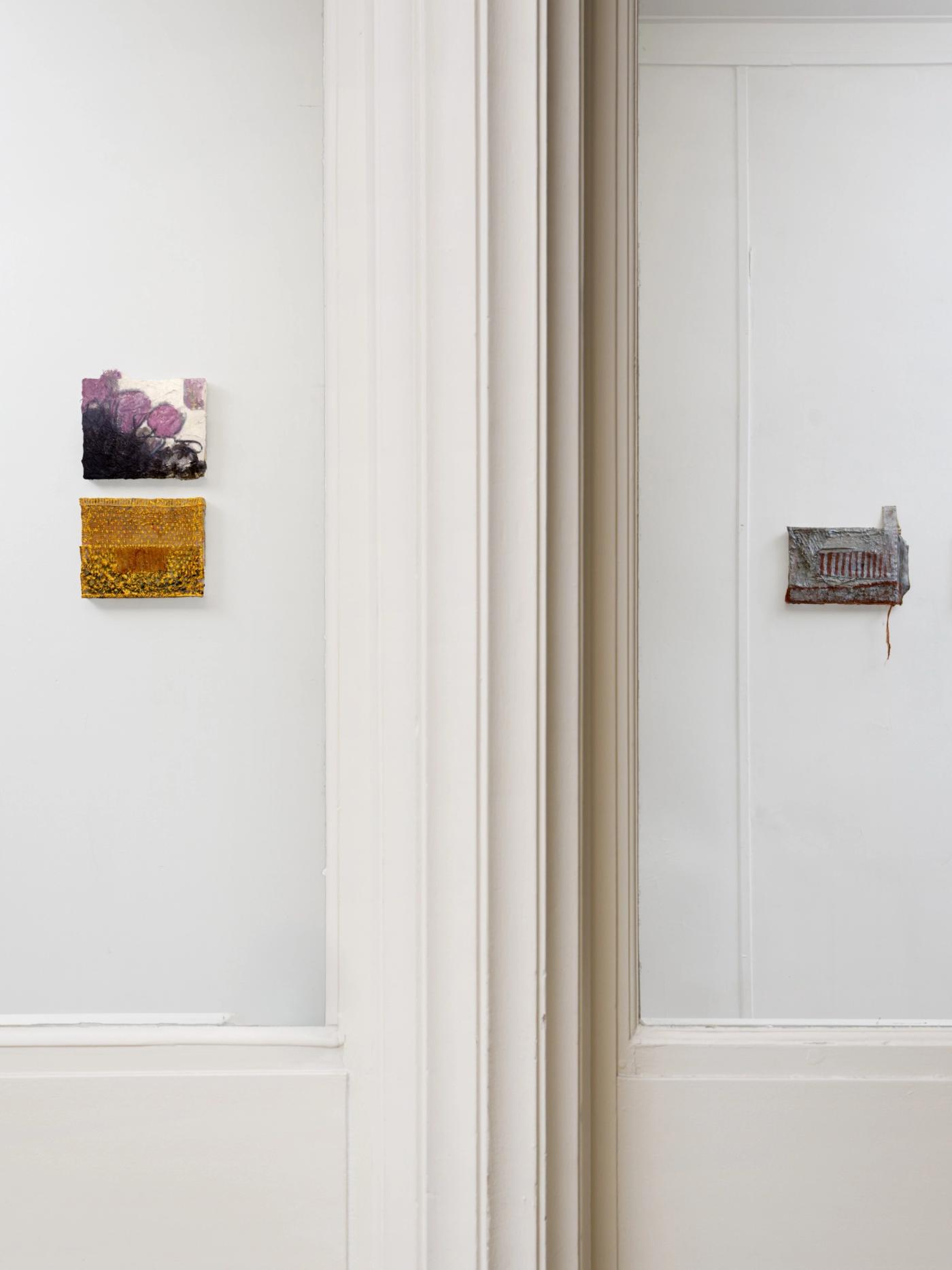
Exhibition View
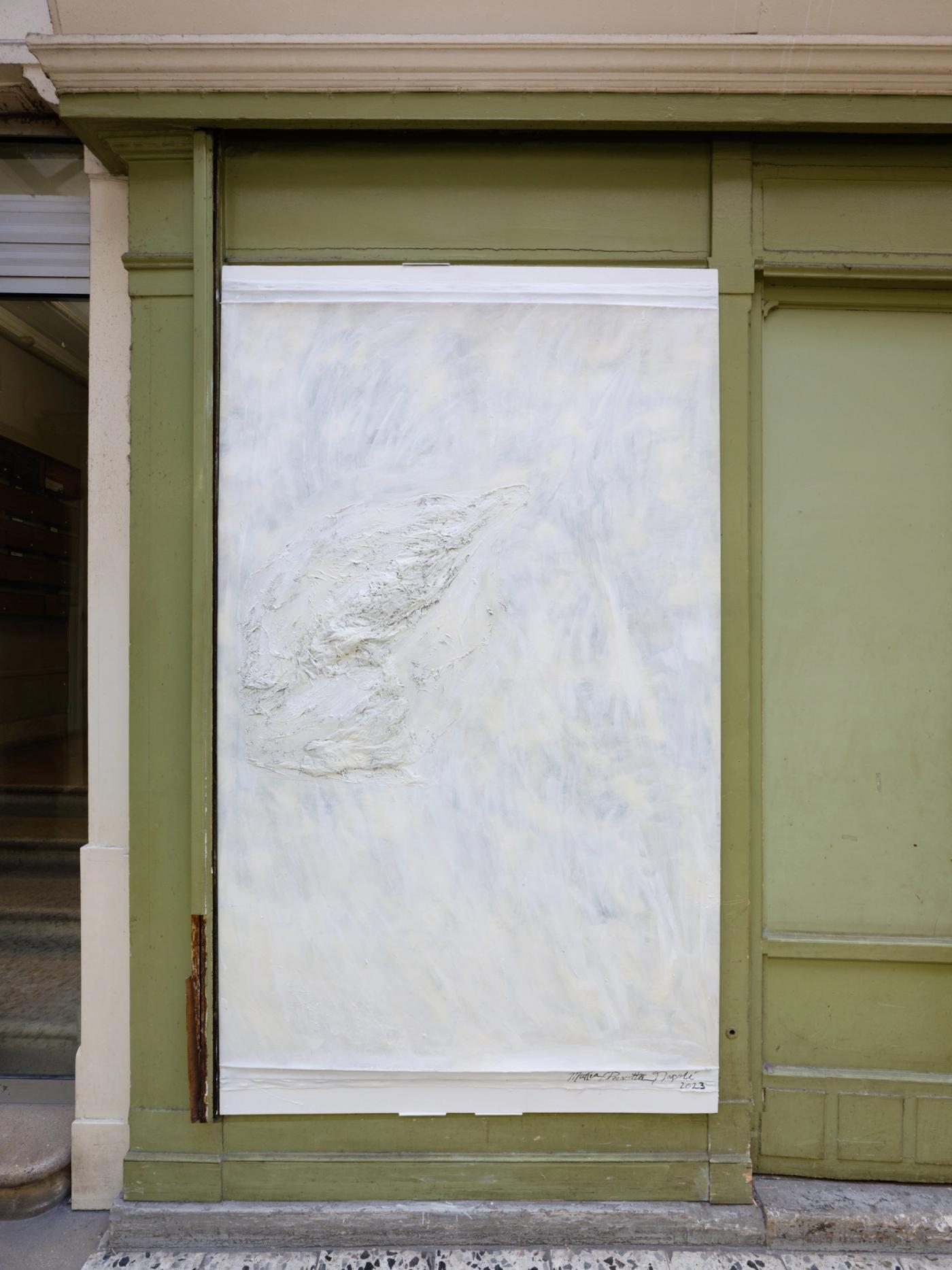
Exhibition View
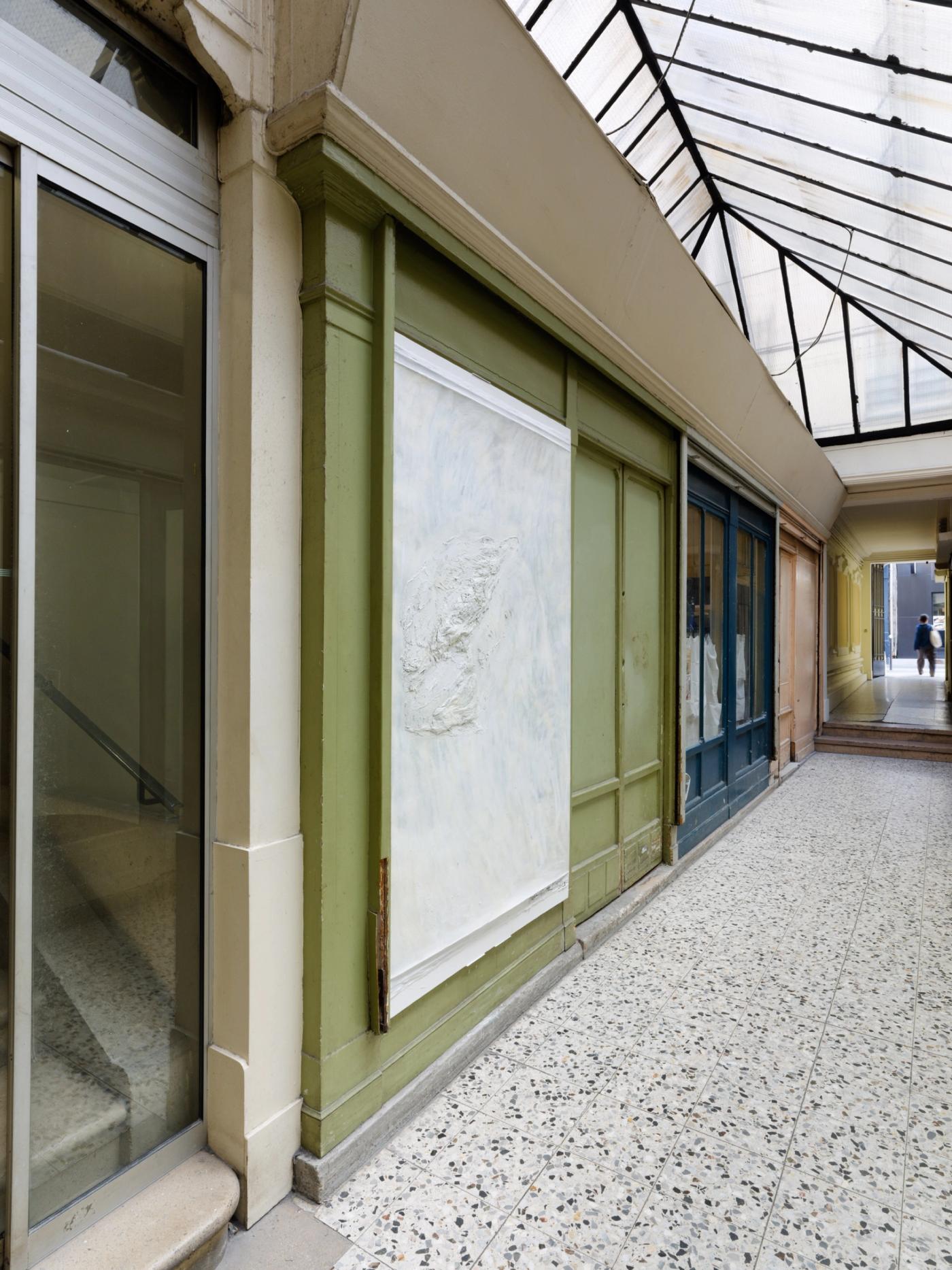
Exhibition View
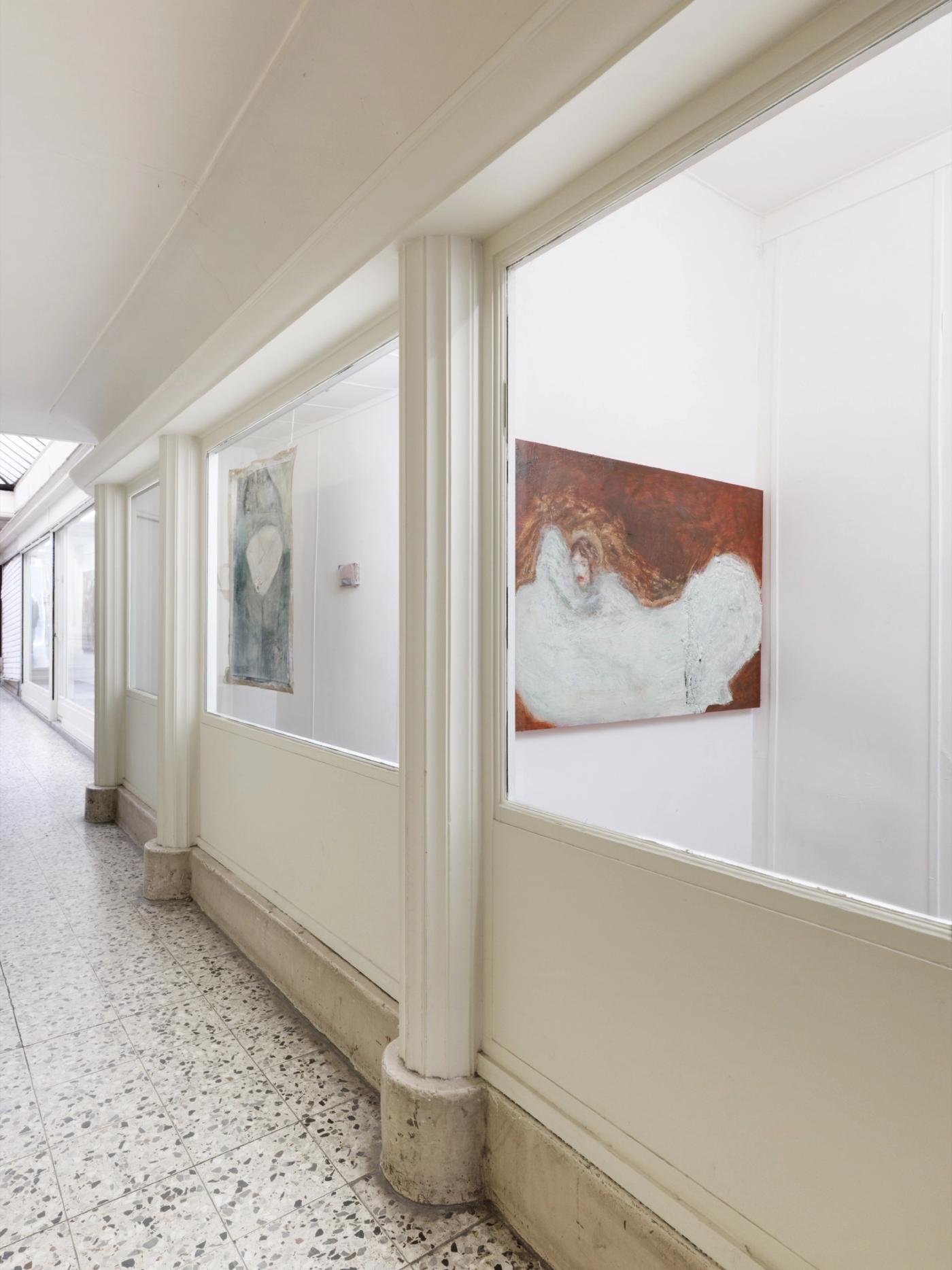
Exhibition View
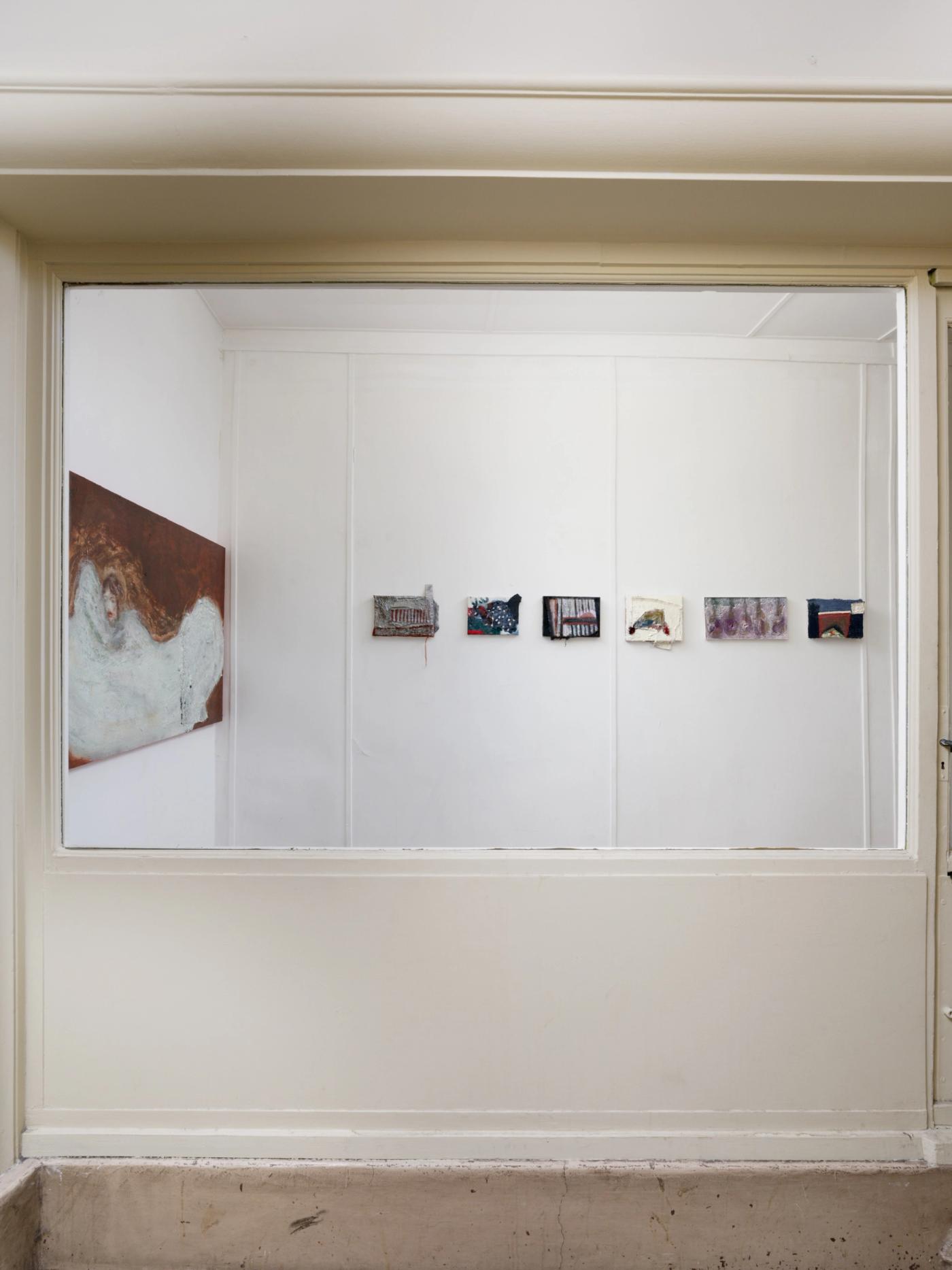
Exhibition View
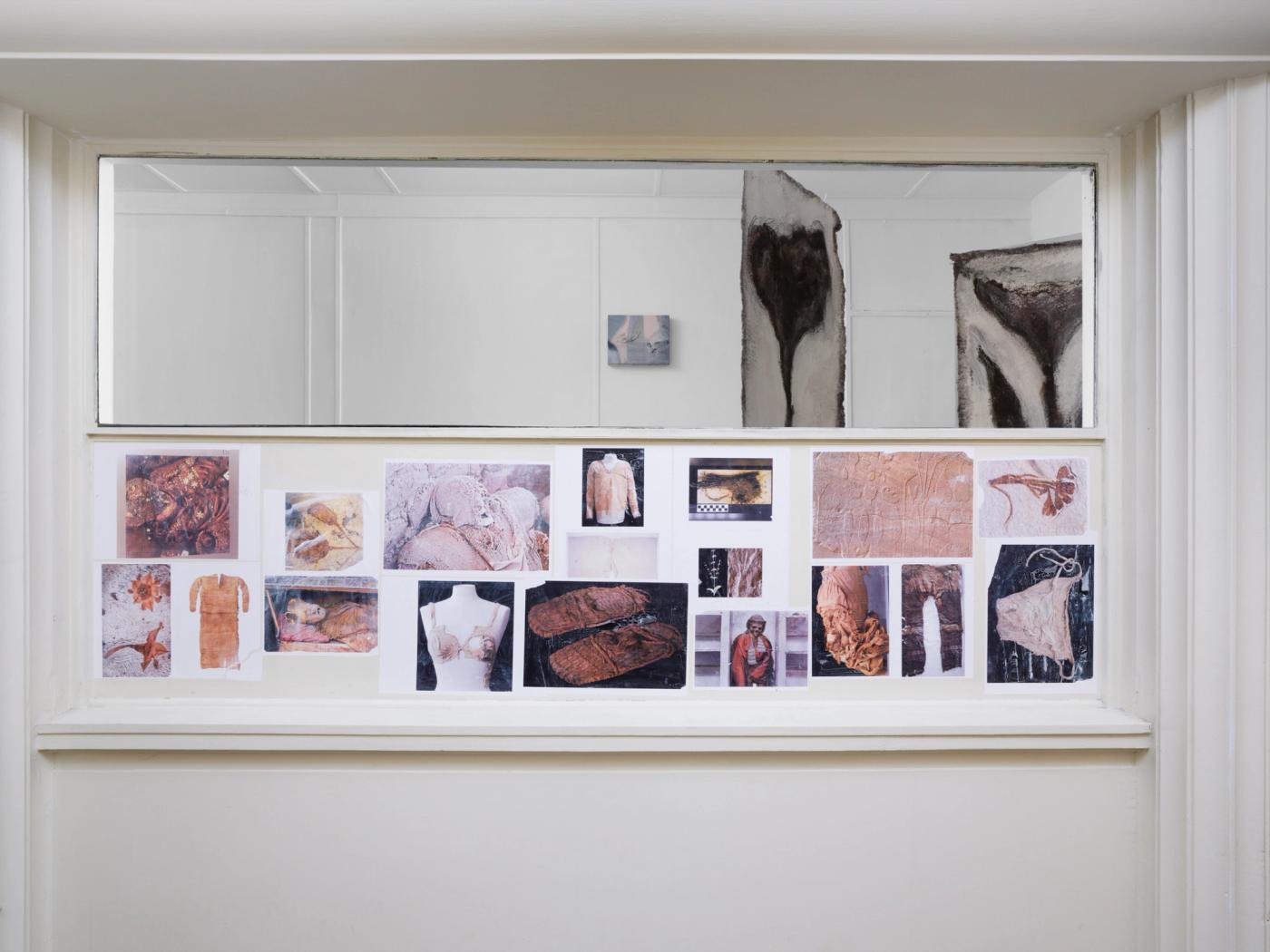
Exhibition View
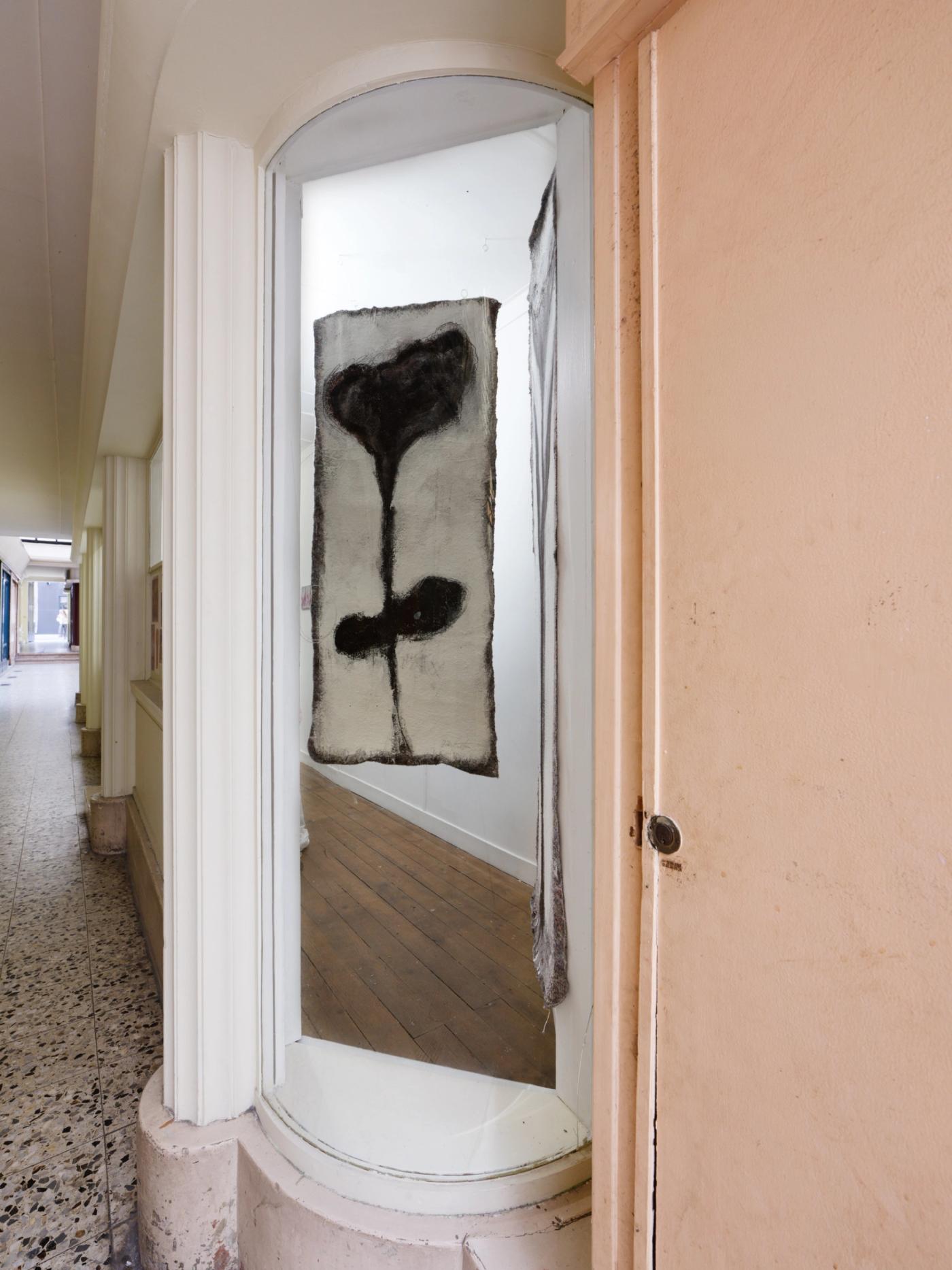
Exhibition View
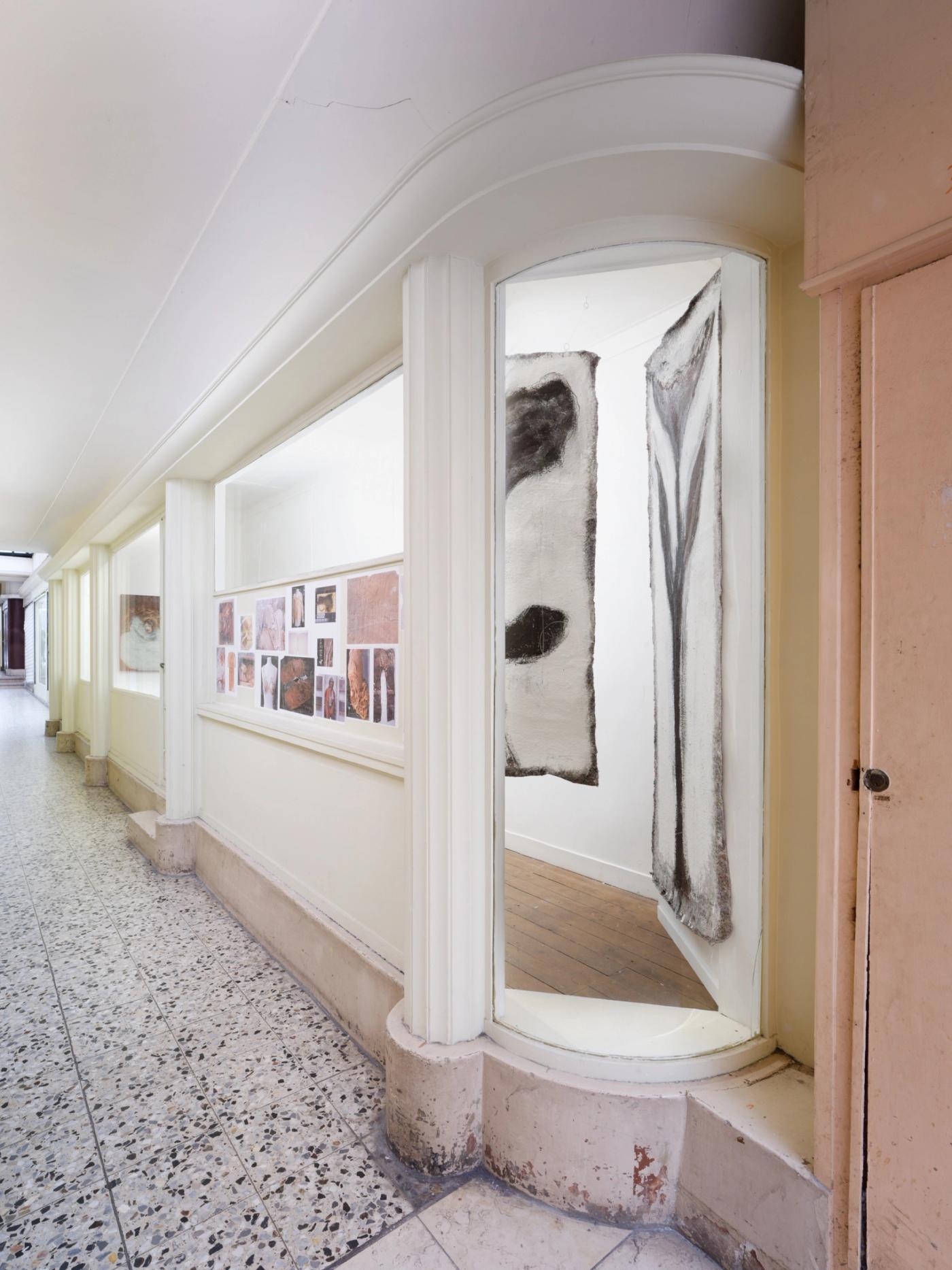
Exhibition View
Penalty, San Francisco January 2026
Filter: , ,
i shed myself like plaster from a roman wall, né qui né là, never fully here, never fully anywhere. Penalty presents Nè qui, nè là, a new body of paintings by Mattea Perrotta shaped by movement, place, and identity. The title—neither here nor there—names a condition that surfaces in her writing and in the works themselves: a life redirected by shifting geographies and the interior adjustments those shifts demand. Erosion, breath, and residue set the register for the exhibition, and the artist takes up these themes through process and material. The surfaces carry a muted emotional temperature—fields where forms edge toward recognition before dissolving back into matter. Color behaves like weather; weight gathers and thins; edges slip or collapse into mass. This sensibility grows from how the works are built: dense understructures of plaster, marble dust, beeswax, book pages, and cloth pressed, scraped, and sanded into a second skin. Charcoal enters wet ground, marks from her non-dominant hand loosen the surface’s architecture, and oilstick seals areas resistant to further excavation. Each painting records abrasion and repair, seams opened and re-sealed, wiped passages, faint geometries emerging as if from sediment. Perrotta returns, erases, and returns again, treating the canvas as a site to be uncovered. Dream House (2025) makes this excavation visible: red, violet, grey, and deep green interrupted by a vertical column of plaster and textile pressed outward from within. The seam reads as hinge, scar, or remnant—structural, shed, or half-remembered. Under the Arch of Santorio (2025) takes a quieter turn: muted greens and umbers hold the ghost of an arch-like form, softened by abrasion. The surface behaves like a weathered interior, a threshold glimpsed rather than entered. Together, these works anchor the exhibition’s architecture of memory and show how Perrotta’s images arrive through material pressure rather than depiction. home is an idea, not an address. i found home in the in-between, because i had no choice. Her movement between cities over the last several years shapes the tenor of the exhibition. Rome’s dust and warmth recur as muted ochres and veiled blacks; deep Naples yellow carries what she calls “the warmest I have ever been.” The works register place as an accumulation of what settles and what remains suspended, echoing the artist’s line: “my home is layered, eroded, veiled, always revealing, always hiding.” These are not landscapes, portraits, or abstractions in the conventional sense; they function instead as sites—compact architectural containers of memory where material, time, and breath gather. Despite their narrative-leaning titles—Dream House, The Blanket, A Window Near the House, In Bed—the paintings resist depiction. The titles operate as thresholds: cues toward environments whose architectures have eroded. Perrotta’s small-scale works in Nè qui, nè là carry a surprising density. Their compression sharpens the encounter: gestures fold tightly together, surfaces break and re-form, and each panel behaves like a fragment lifted from a larger, unseen structure. Perrotta describes this as wondering “If I was a painting, what would that feel like?”—a question the works answer through their shifting sense of skin, architecture, and interior space. Rather than offering resolution, Nè qui, nè là holds states in transition. The works carry these movements while holding place as a set of inherited conditions rather than scenery, looking to traces shaped by past and present pressures that extend beyond the individual. What remains is an image shaped by movement and residue: a place where the slow work of uncovering builds its own coherence.
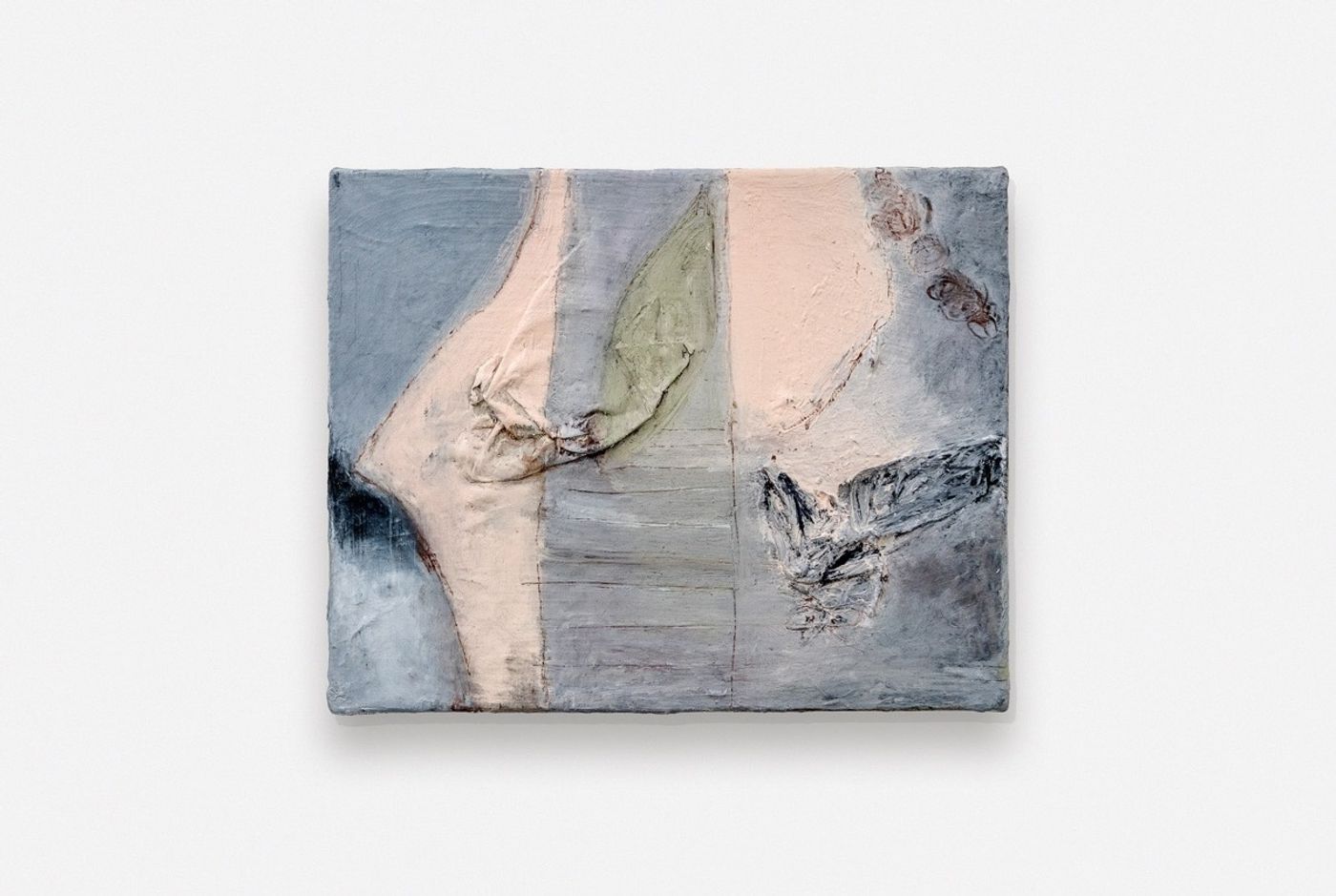
Laundry Hanging, 2025, Mixed media on canvas
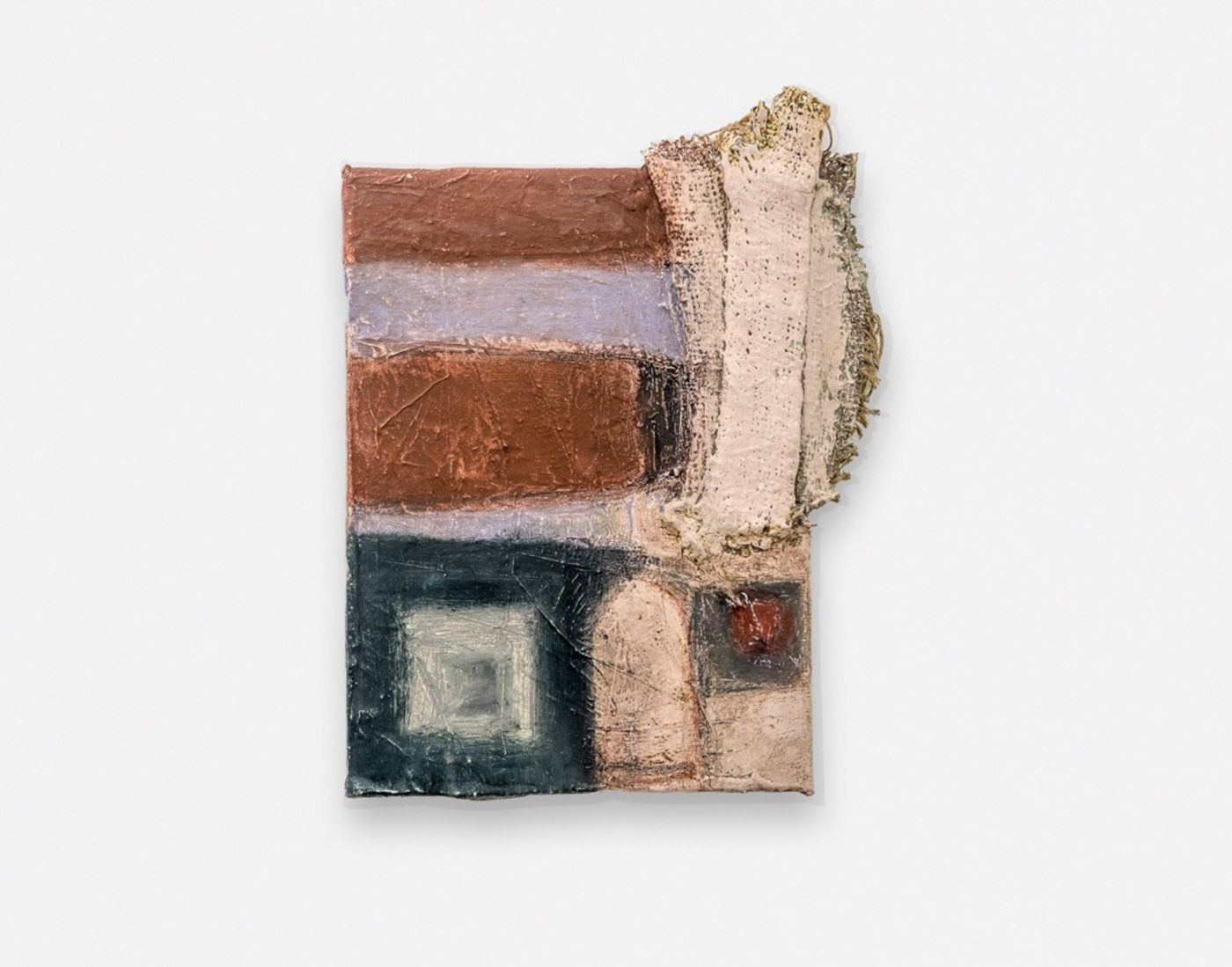
Dream House, 2025, Mixed media on canvas
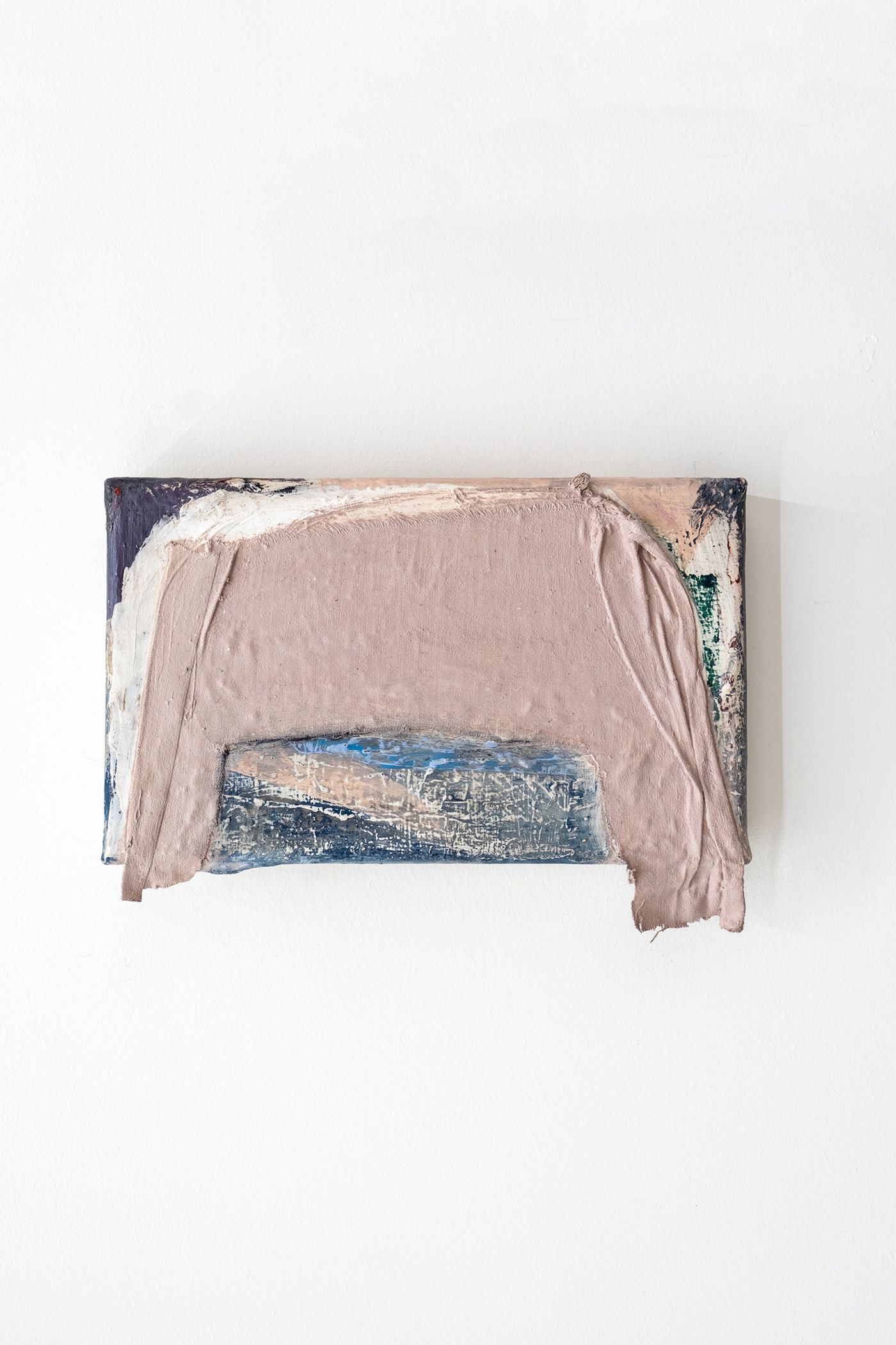
Under the Arch of Sartorio, 2025, Mixed media on canvas
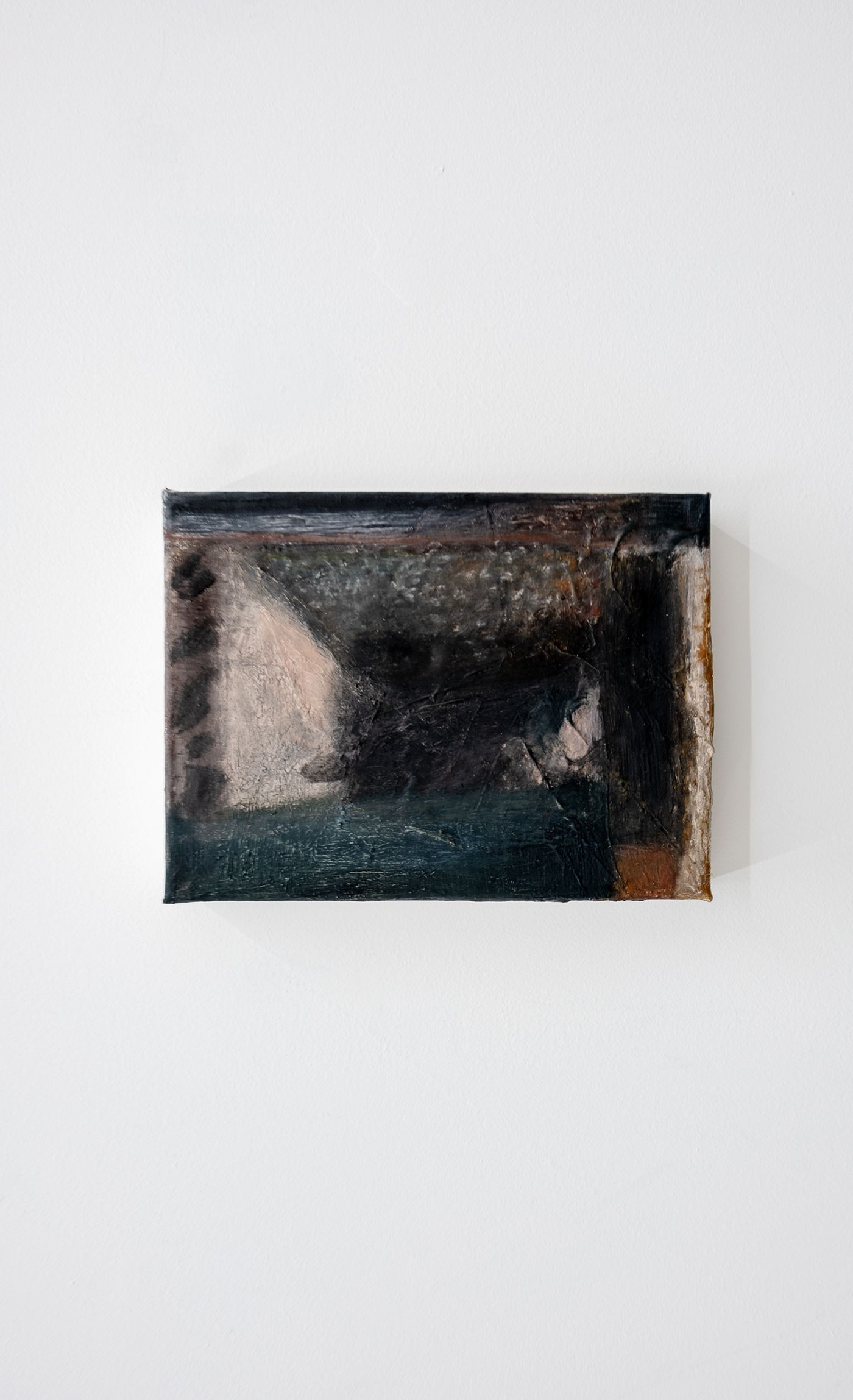
The Window, 2025, Mixed media on canvas
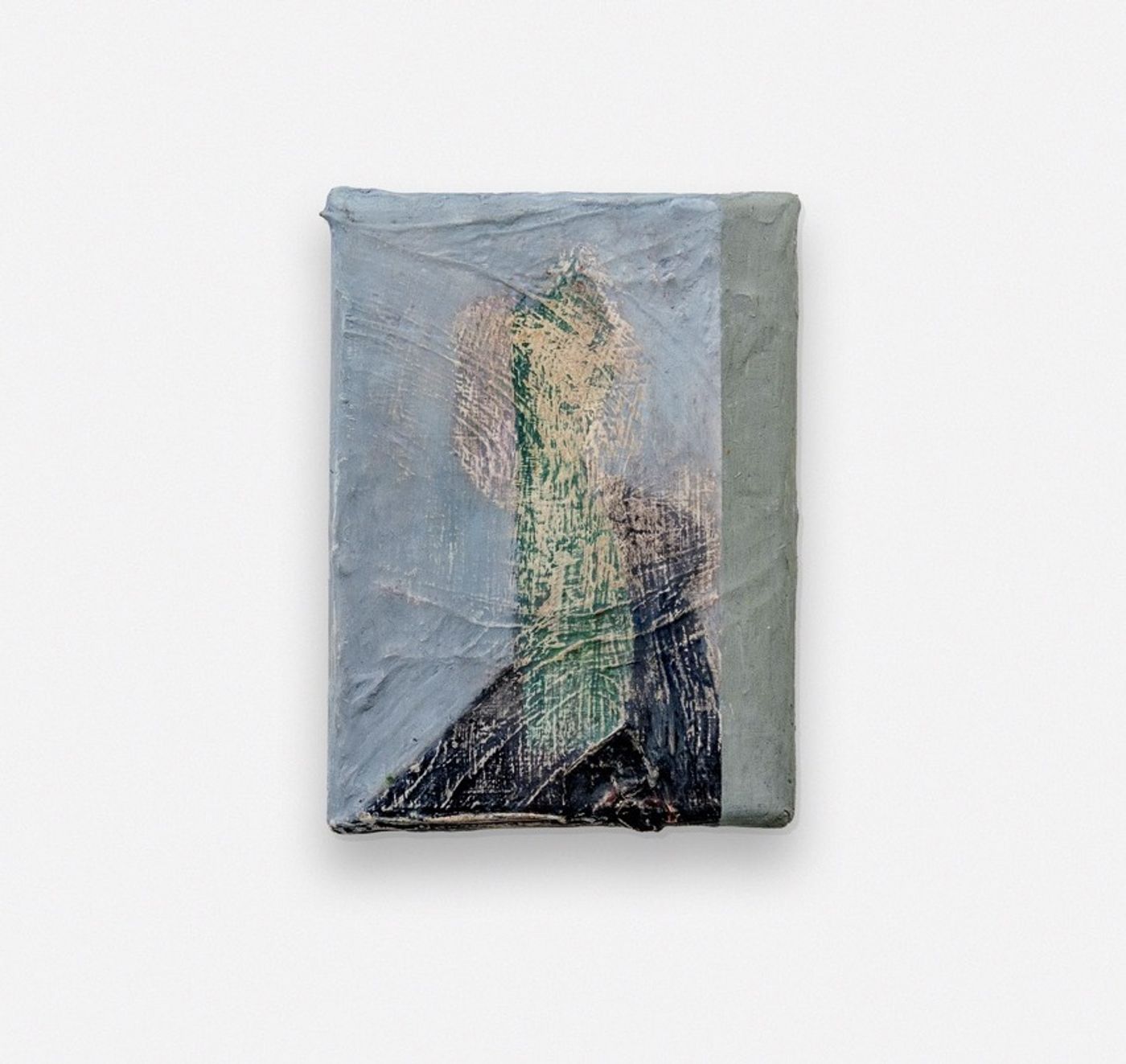
Soft Grit, 2025, Mixed media on canvas
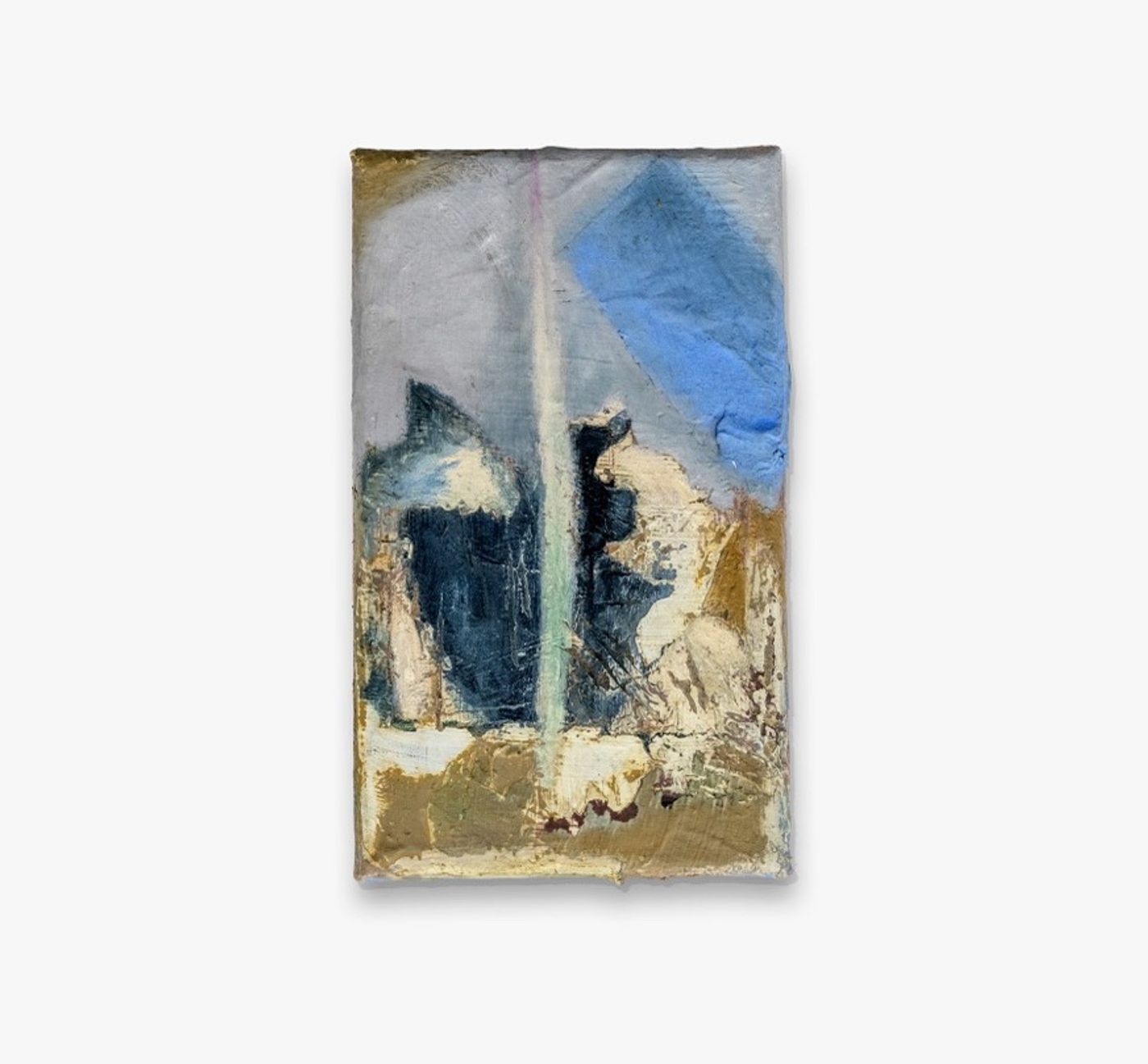
Float, 2025, Mixed media on canvas
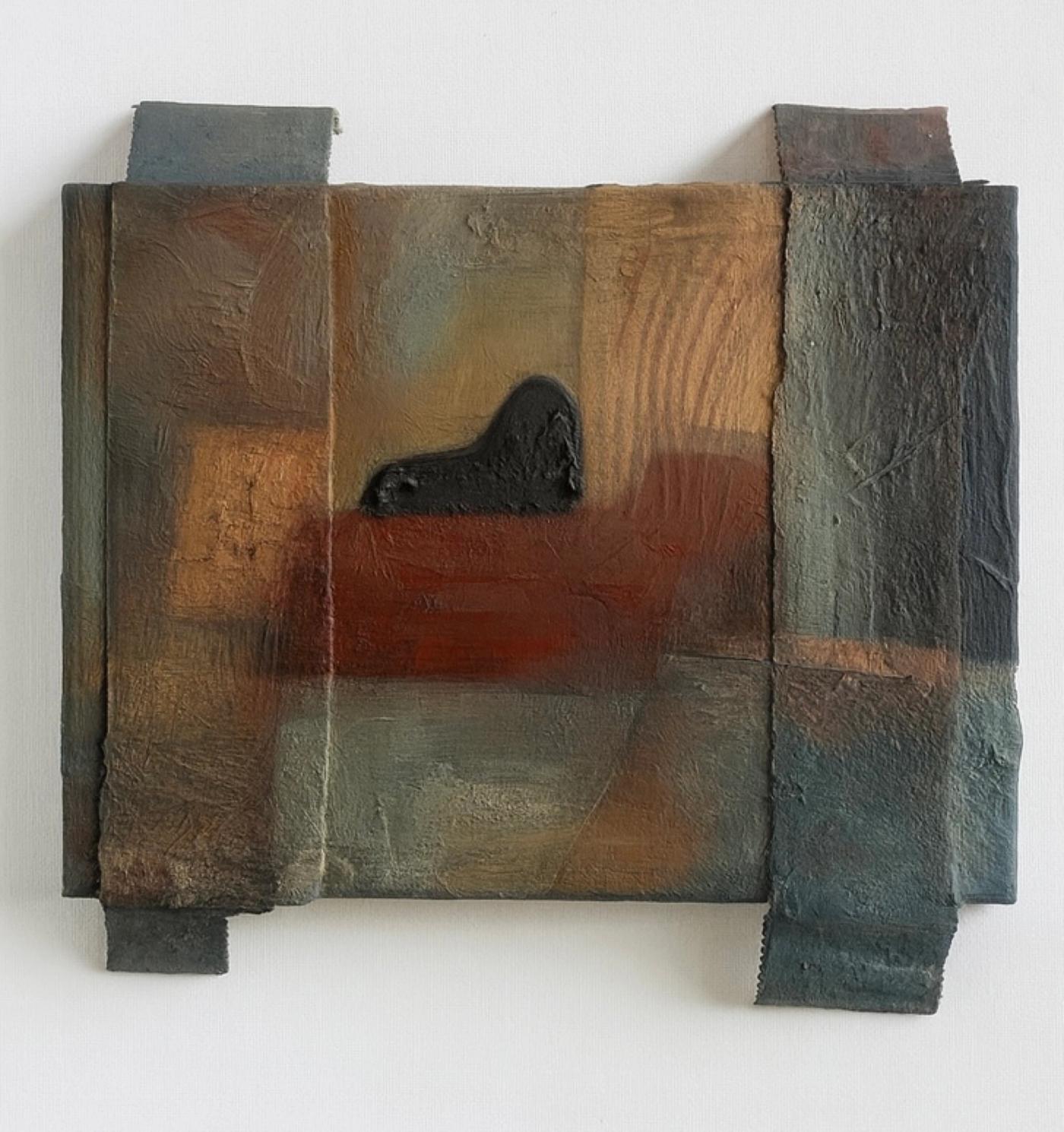
In Bed, 2025, Mixed media on canvas
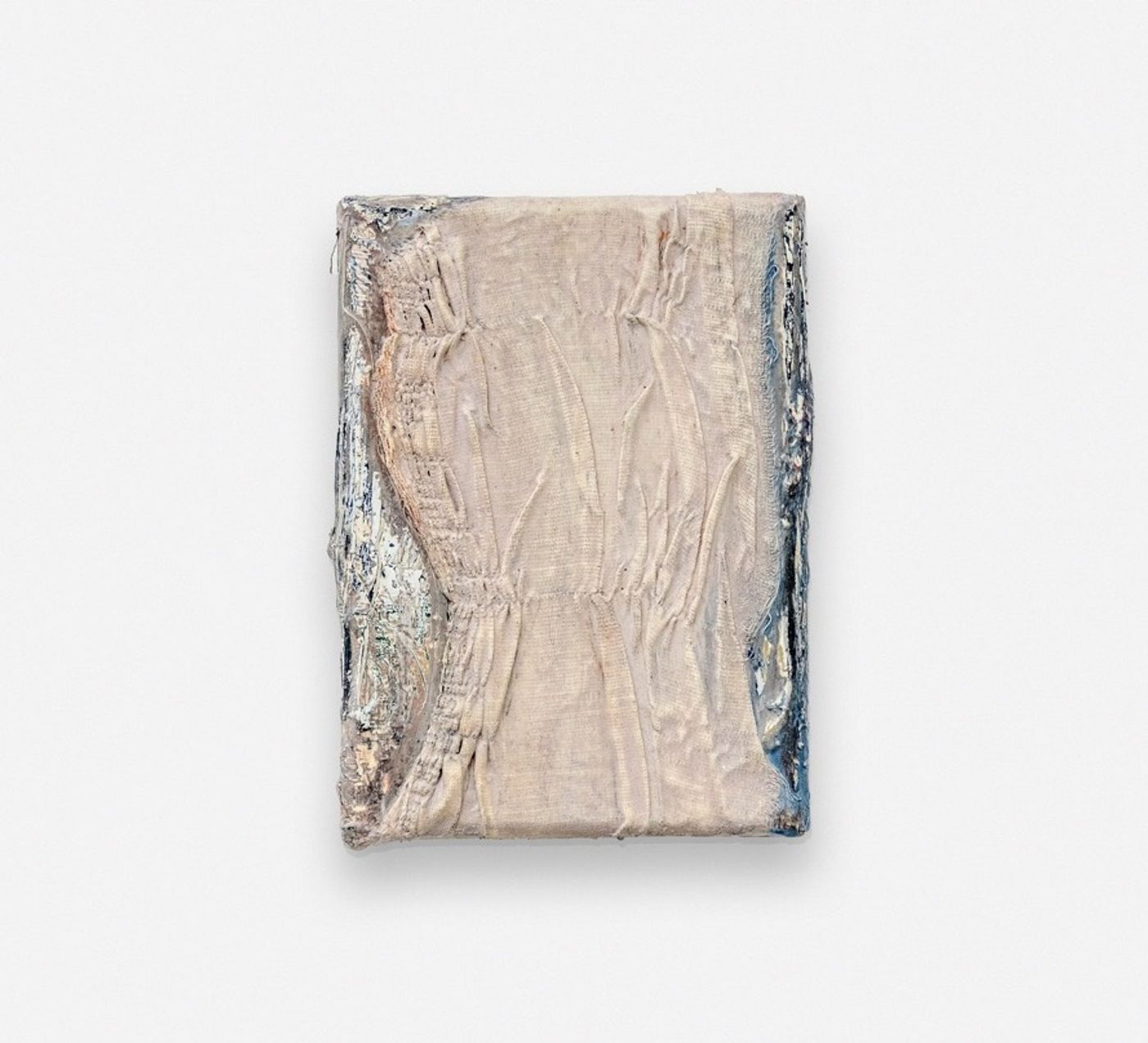
The Dress, 2025, Mixed media on canvas
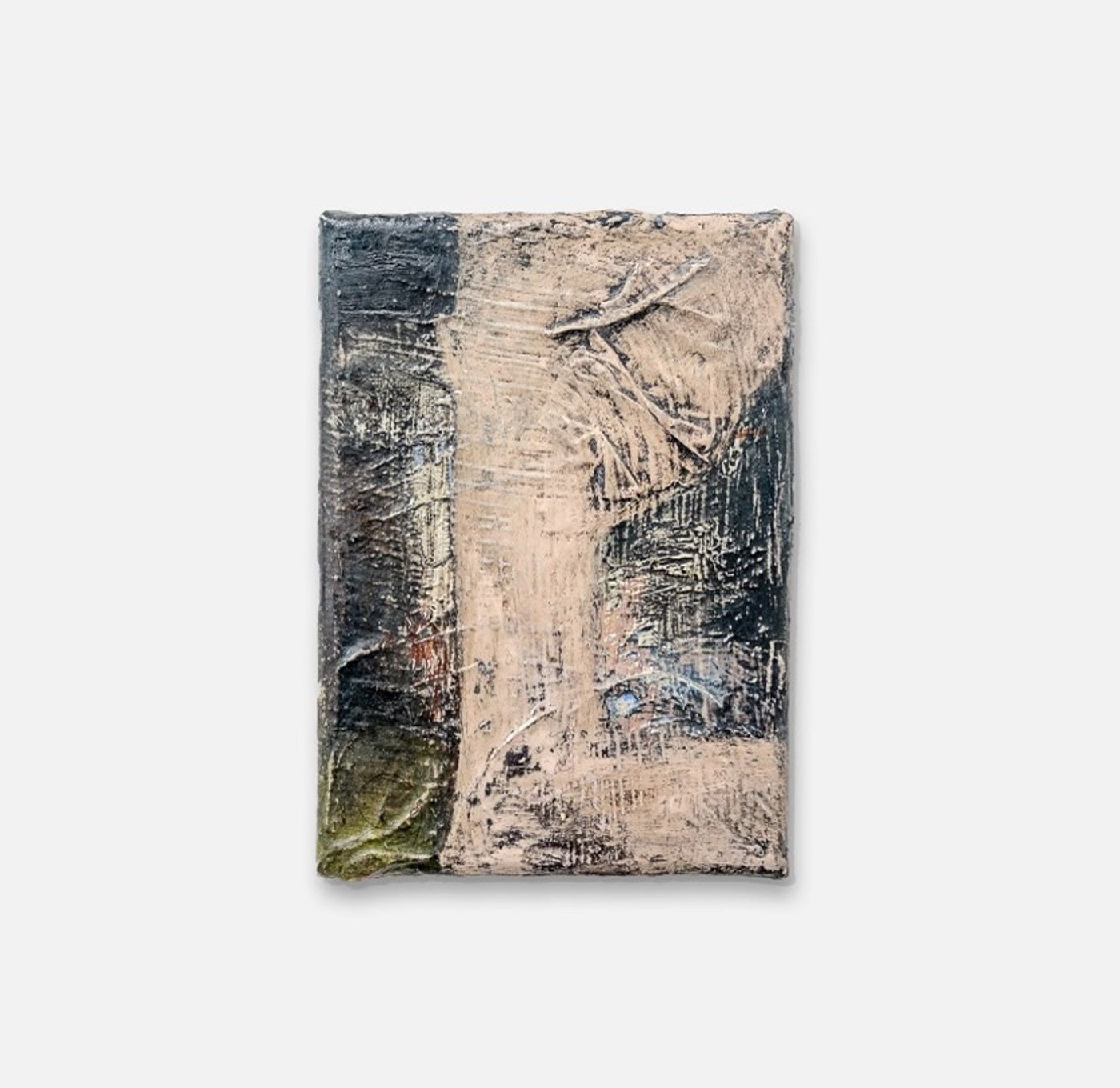
Wound Beneath the Cloth, 2025, Mixed media on canvas
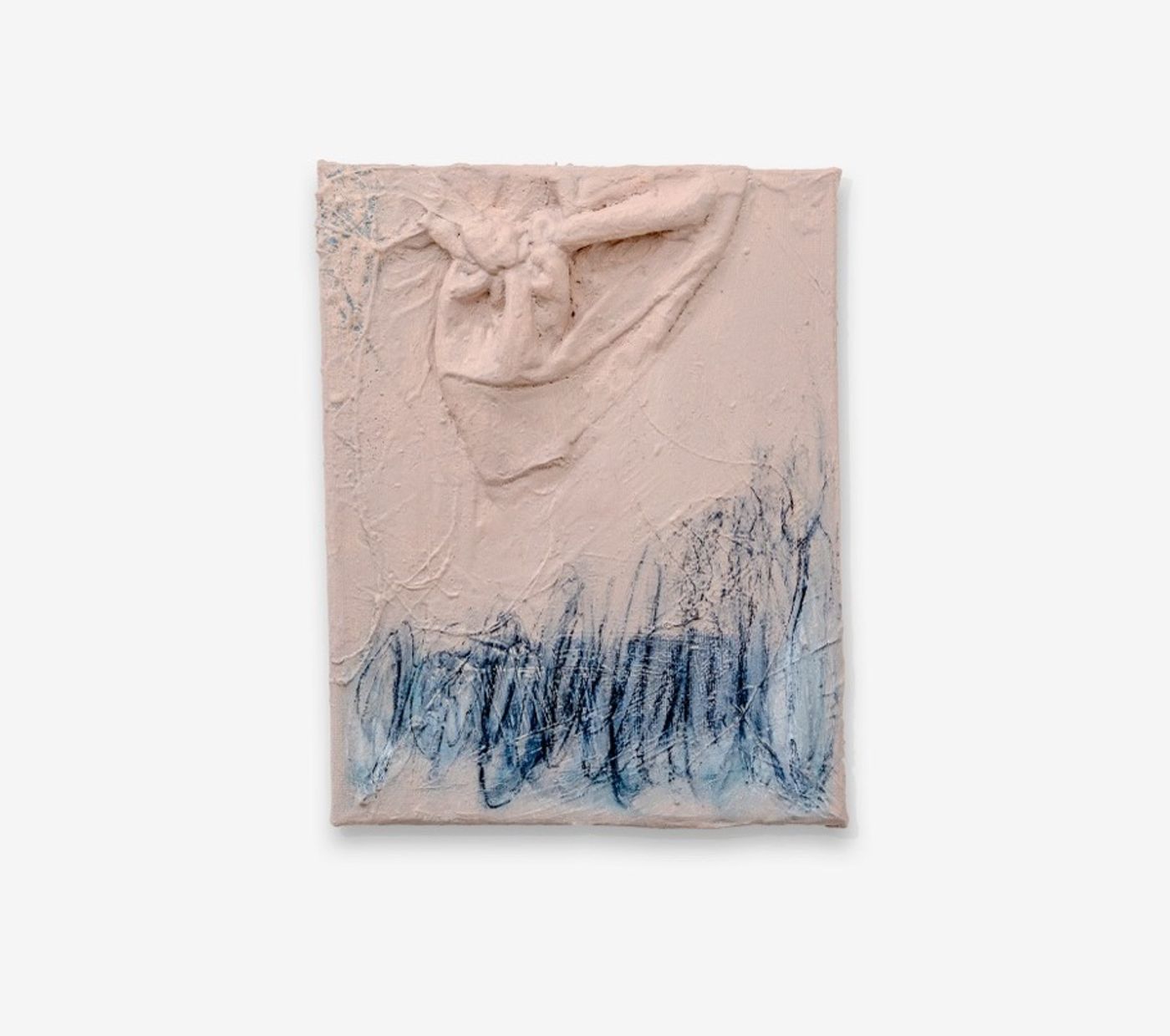
A Face in Ruins, 2025, Mixed media on canvas
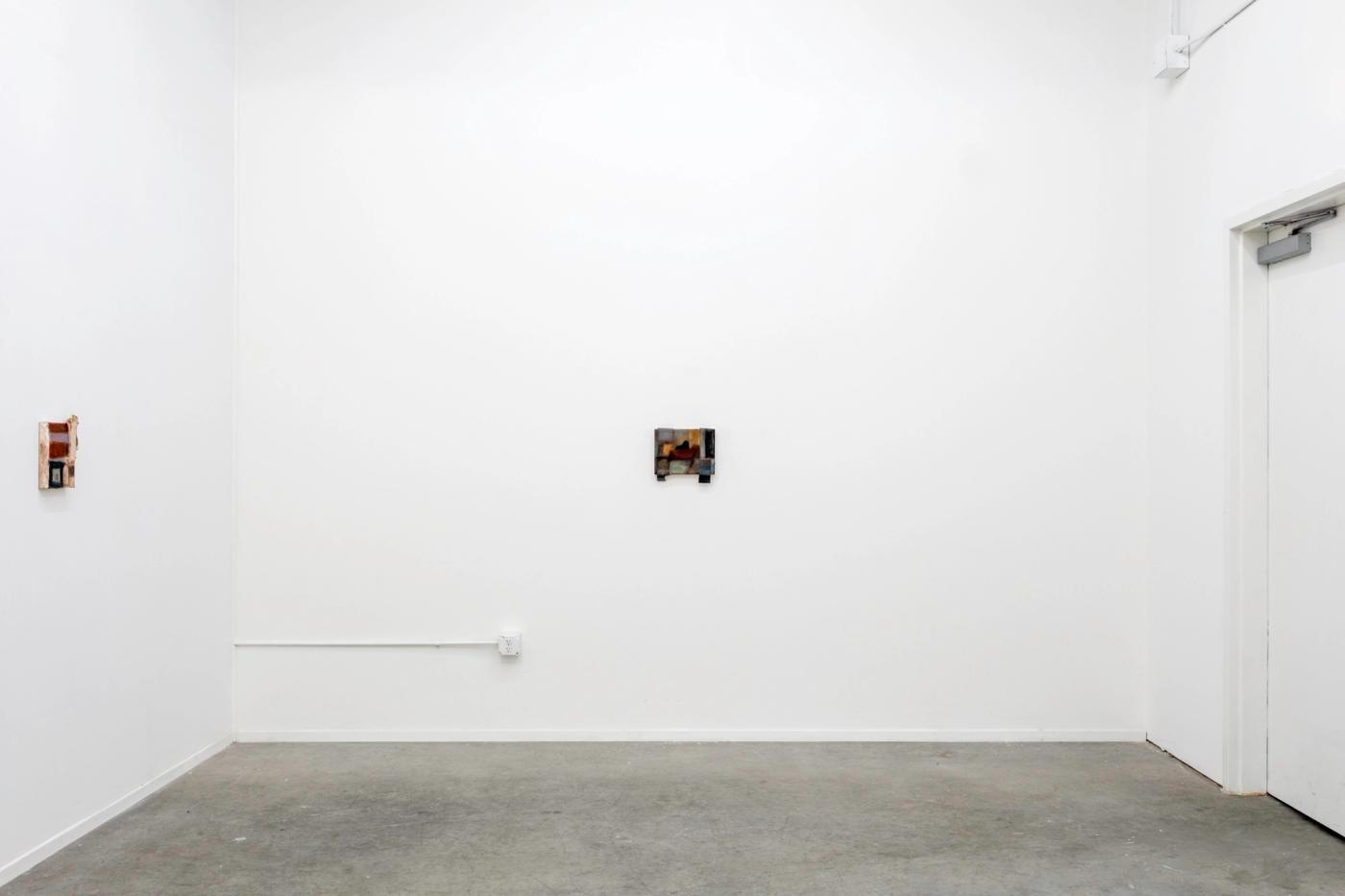
Exhibition View
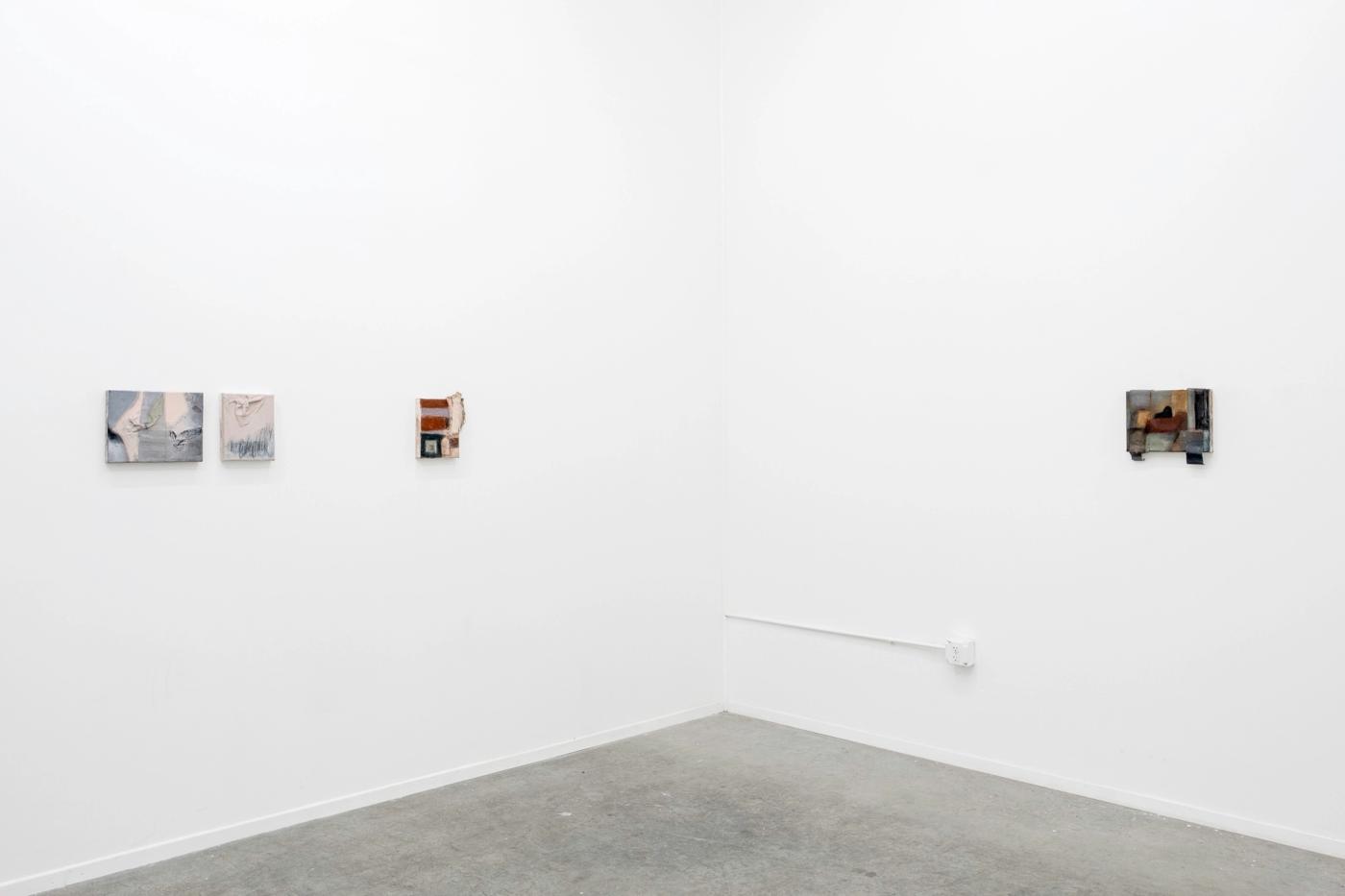
Exhibition View
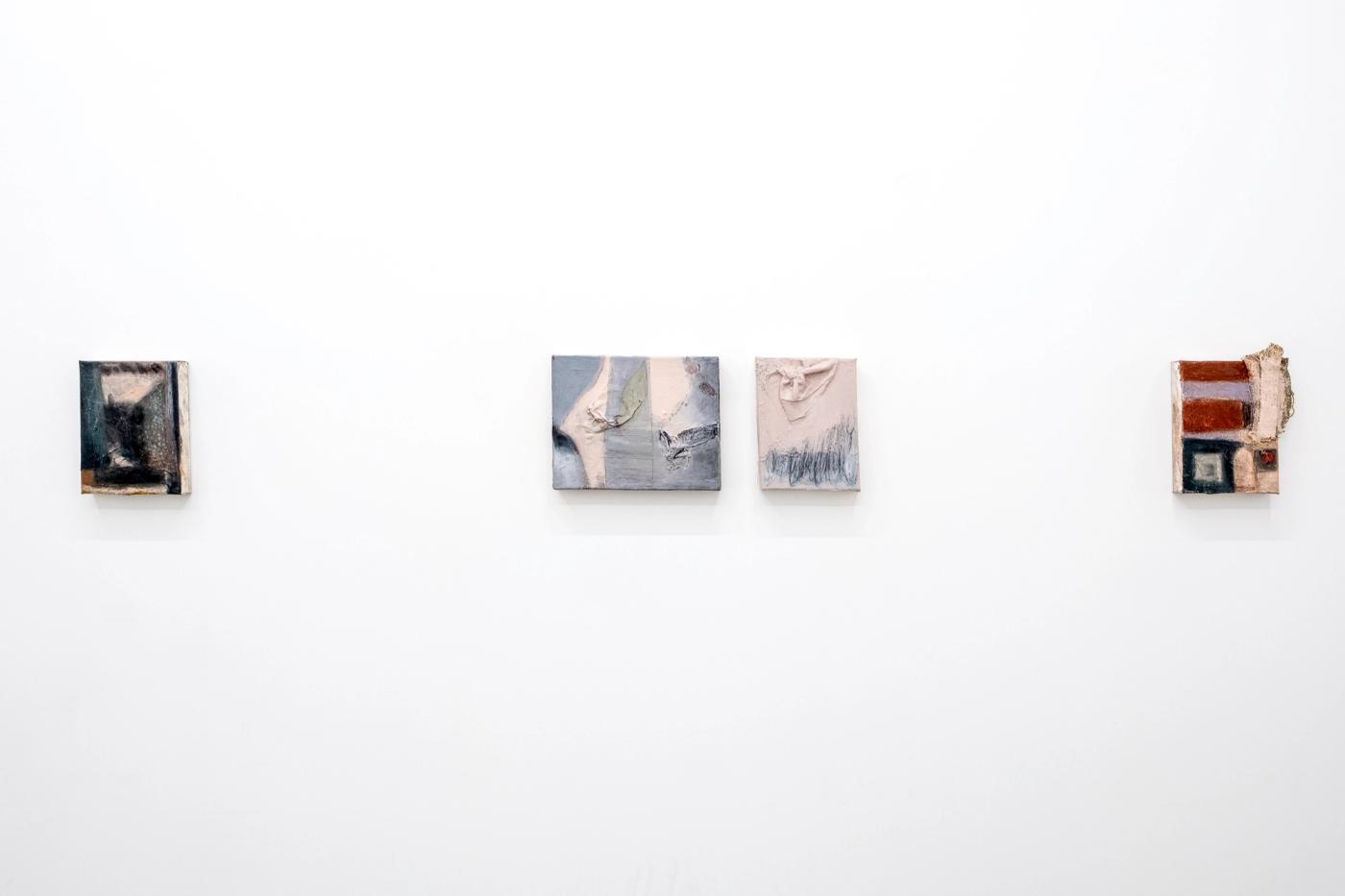
Exhibition View
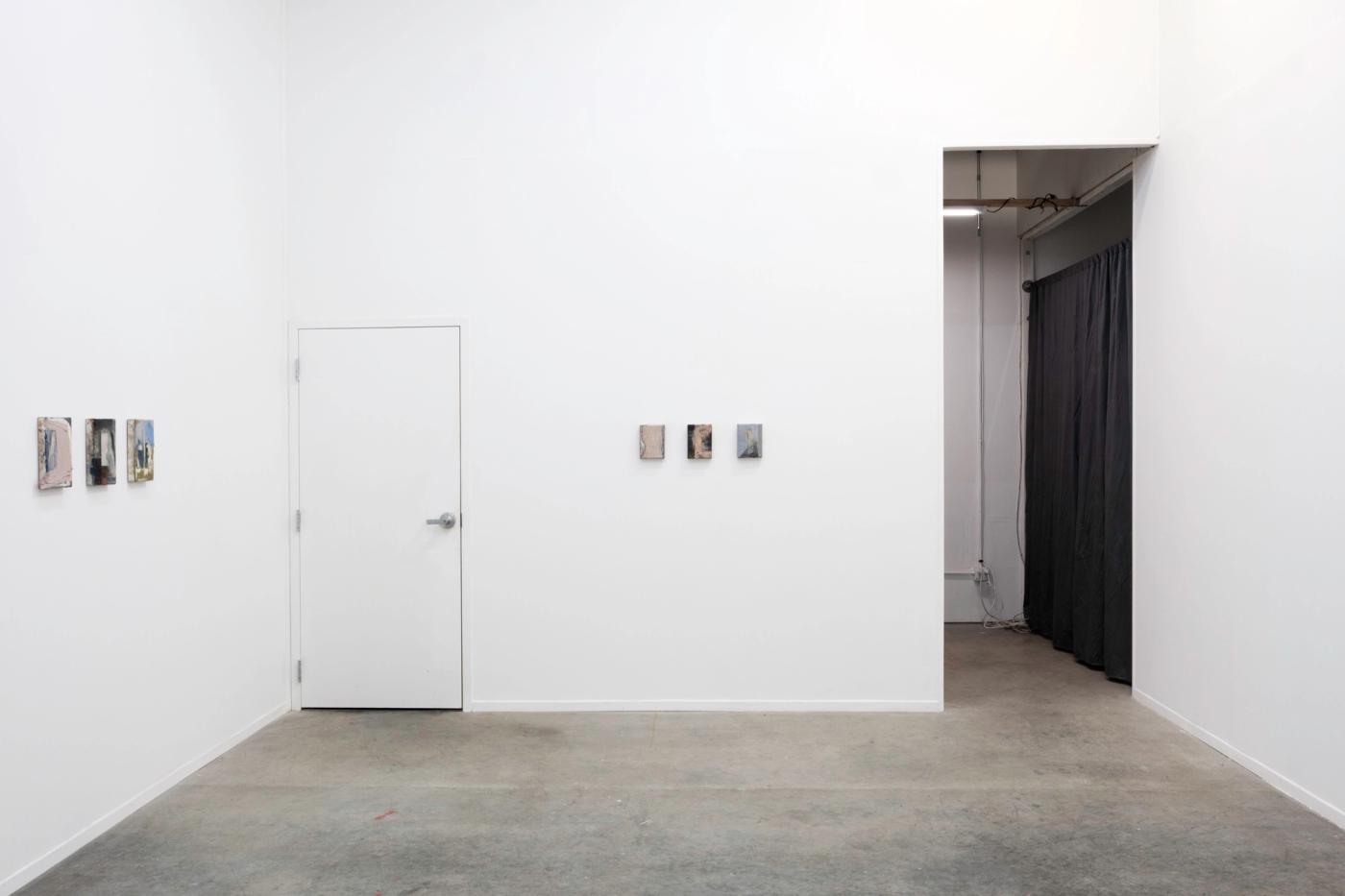
Exhibition View
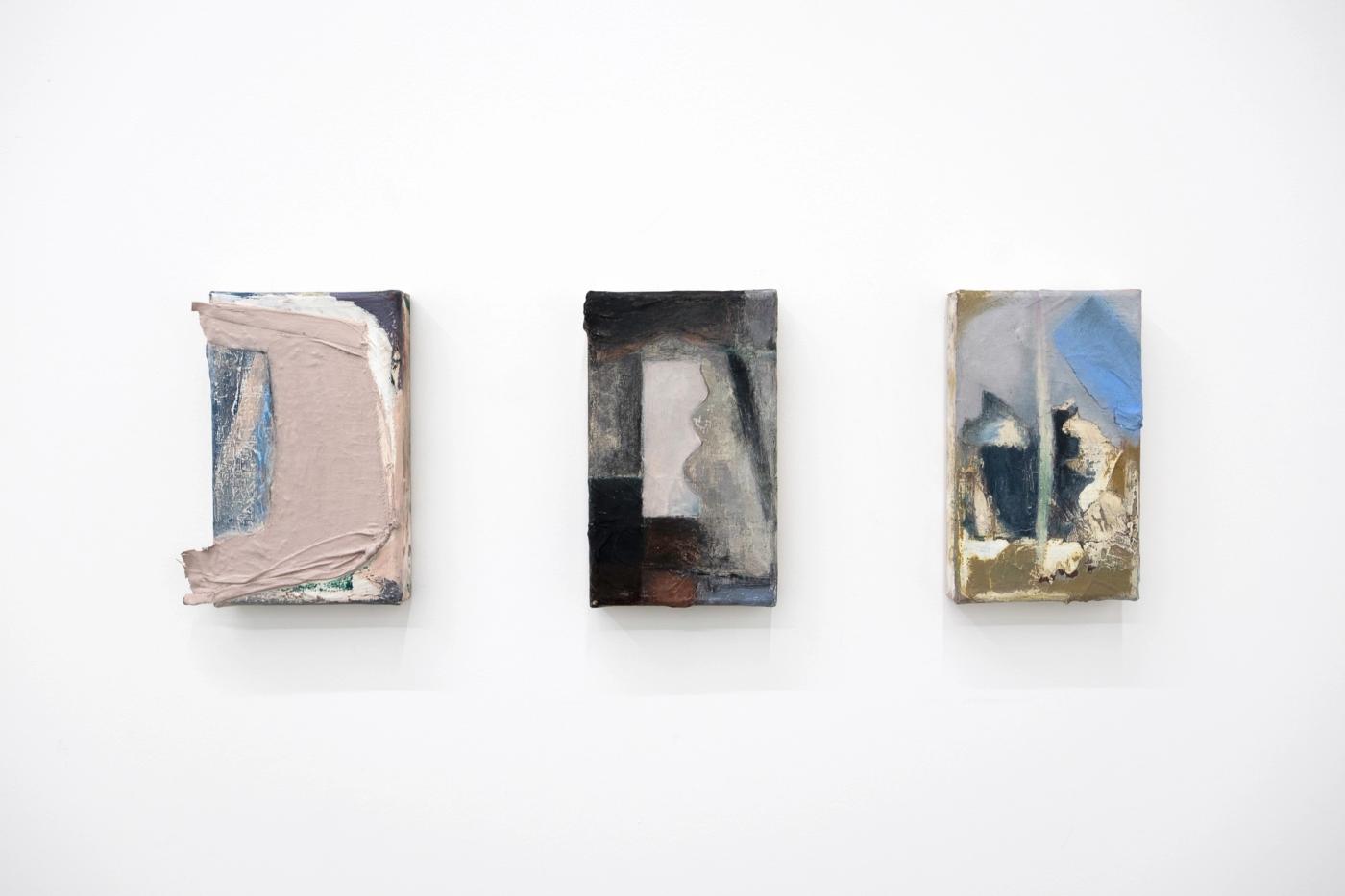
Exhibition View
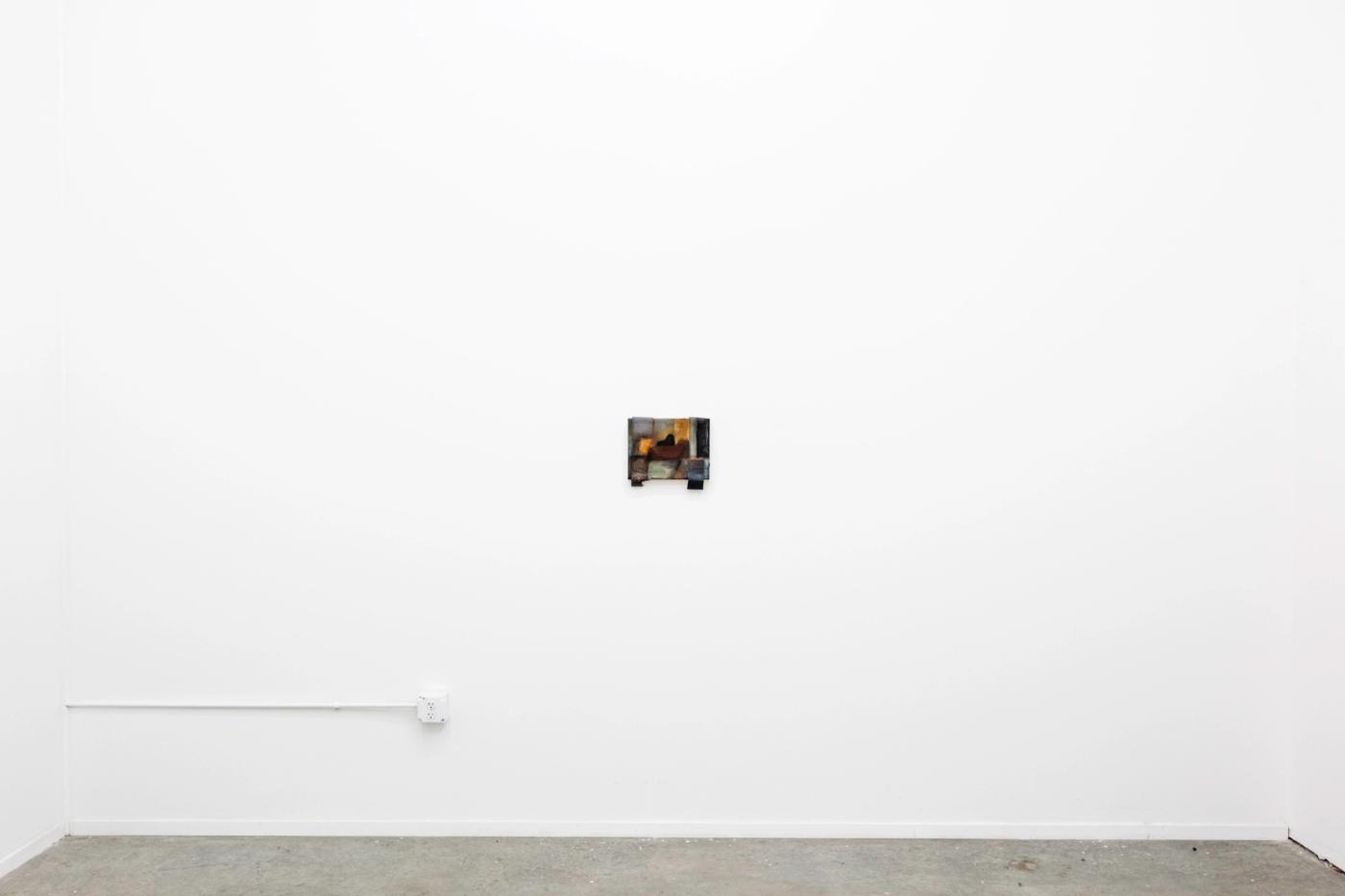
Exhibition View